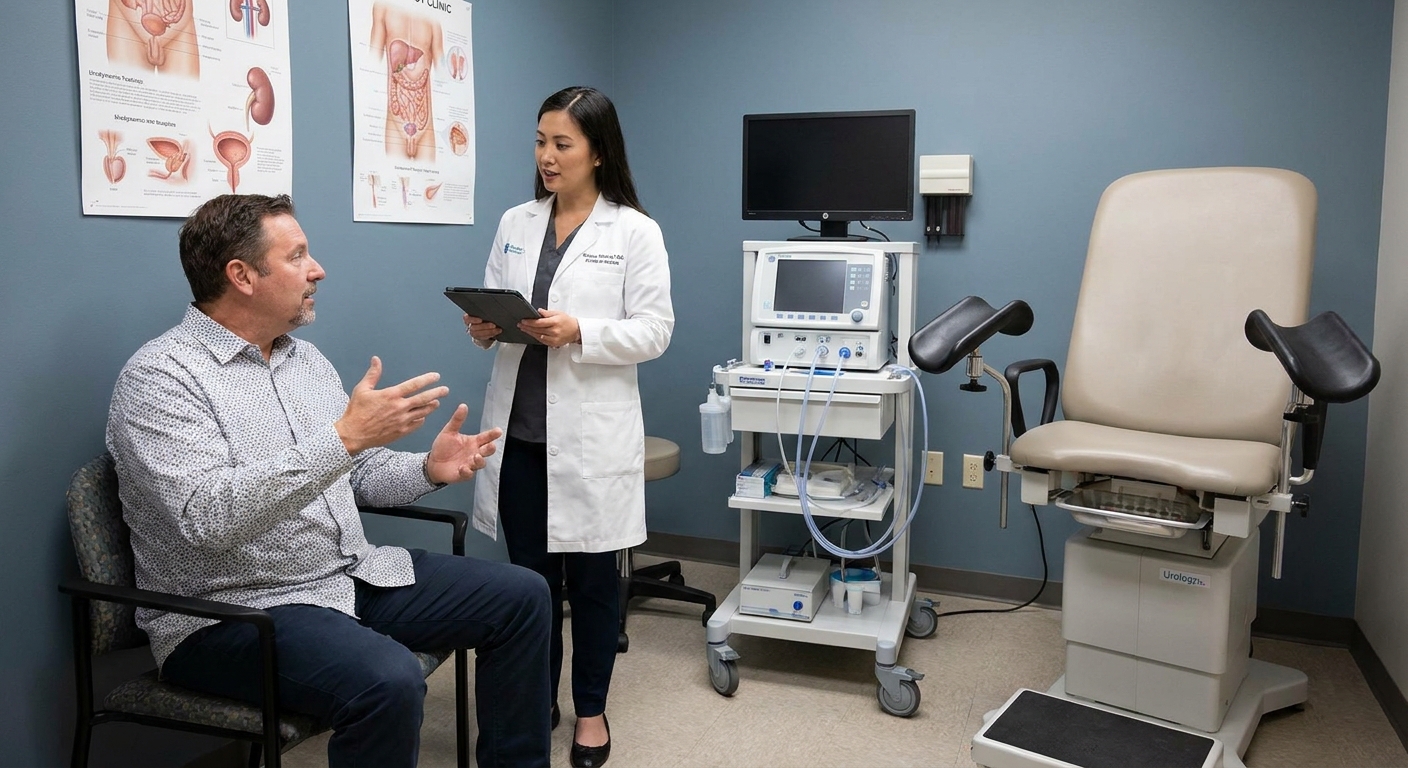
In busy family clinics, I have met many people who thought they had “just a little leaking” or “just normal aging,” only to find out something else was going on in the pelvis. One common type of pelvic organ prolapse is a cystocele, sometimes called an anterior vaginal wall prolapse or a dropped bladder.
A cystocele can feel awkward to talk about, but it is a very real, very physical issue, and it is treatable. The sooner you understand what is happening, the easier it is to choose the right next step.
What a cystocele is
A cystocele happens when the supportive tissue between the bladder and the front wall of the vagina weakens. As that support stretches or tears, the bladder can bulge into the vaginal wall.
Think of the pelvic floor and surrounding connective tissue like a supportive hammock. When that hammock loses strength, one of the organs it holds can shift downward. With a cystocele, it is the bladder that shifts.
Cystoceles can range from mild (noticed mainly on exam) to more advanced (a bulge you can feel or see at the vaginal opening).
It also helps to know that prolapse can involve more than one “compartment.” Some people have a cystocele plus uterine or apical prolapse (top of the vagina or uterus) and or a rectocele (back wall of the vagina).
Common symptoms
Symptoms vary a lot. Some people have a noticeable prolapse with minimal symptoms, and others feel miserable with a smaller prolapse. Common complaints include:
- A vaginal bulge or the sensation of “something falling out”
- Pelvic pressure or heaviness that worsens later in the day or after standing
- Discomfort with sex or a feeling of fullness
- Urinary problems, such as starting and stopping, weak stream, or feeling like you cannot fully empty
- Needing to shift position to empty your bladder, or pressing on the vaginal wall to help urine flow
- Urinary tract infections in some people, particularly if there is significant urine retention
If you recognize yourself in this list, you are not alone, and you are not being “dramatic.” Your anatomy and support tissues may truly have changed.

Cystocele vs stress urinary incontinence
This is an important distinction because the treatments can differ. Also, the two can overlap in the same person, so a careful evaluation is worth it.
Stress urinary incontinence (SUI)
Stress urinary incontinence is when you leak urine with a rise in abdominal pressure. People often notice leakage when they:
- cough
- sneeze
- laugh
- jump
- lift something heavy
With SUI alone, there is typically no vaginal bulge and no trouble emptying. That said, symptoms can overlap with other bladder conditions, so it is not always as simple as one label.
Cystocele
A cystocele is a support problem, meaning the bladder has shifted because the front vaginal wall support is weaker. You may still leak urine with activity, but many people also describe:
- pressure and bulging
- difficulty emptying
- a “stuck” feeling with urination
To make it more confusing, cystocele and stress incontinence can happen together. It is also possible for the bulge to temporarily “kink” the urethra and hide stress leakage. Then leakage can become more obvious after the prolapse is reduced or repaired. Clinicians often call this occult stress incontinence.
Why cystocele happens
Pelvic support tissues can weaken for several reasons. Common contributors include:
- Pregnancy and vaginal birth (especially difficult deliveries, forceps use, or large babies)
- Aging and menopause (lower estrogen after menopause can contribute to vaginal and urogenital tissue changes and may affect comfort and tissue resilience, even though it is not the only driver of prolapse)
- Chronic constipation and straining
- Chronic cough (for example from smoking, asthma, or COPD)
- Frequent heavy lifting at work, at home, or in the gym
- Higher body weight, which increases pressure on the pelvic floor
- Prior pelvic surgery (in some cases)
- Genetics (some bodies have more “stretchy” connective tissue)
Having one of these risk factors does not mean you will develop prolapse. It only means your risk may be higher.
How cystocele is diagnosed
Diagnosis usually starts with a conversation and a pelvic exam.
Medical history and symptom review
Your clinician will likely ask about:
- bulge or pressure symptoms
- leakage patterns
- emptying problems
- bowel habits and constipation
- pregnancy and birth history
- prior pelvic surgeries
Pelvic exam
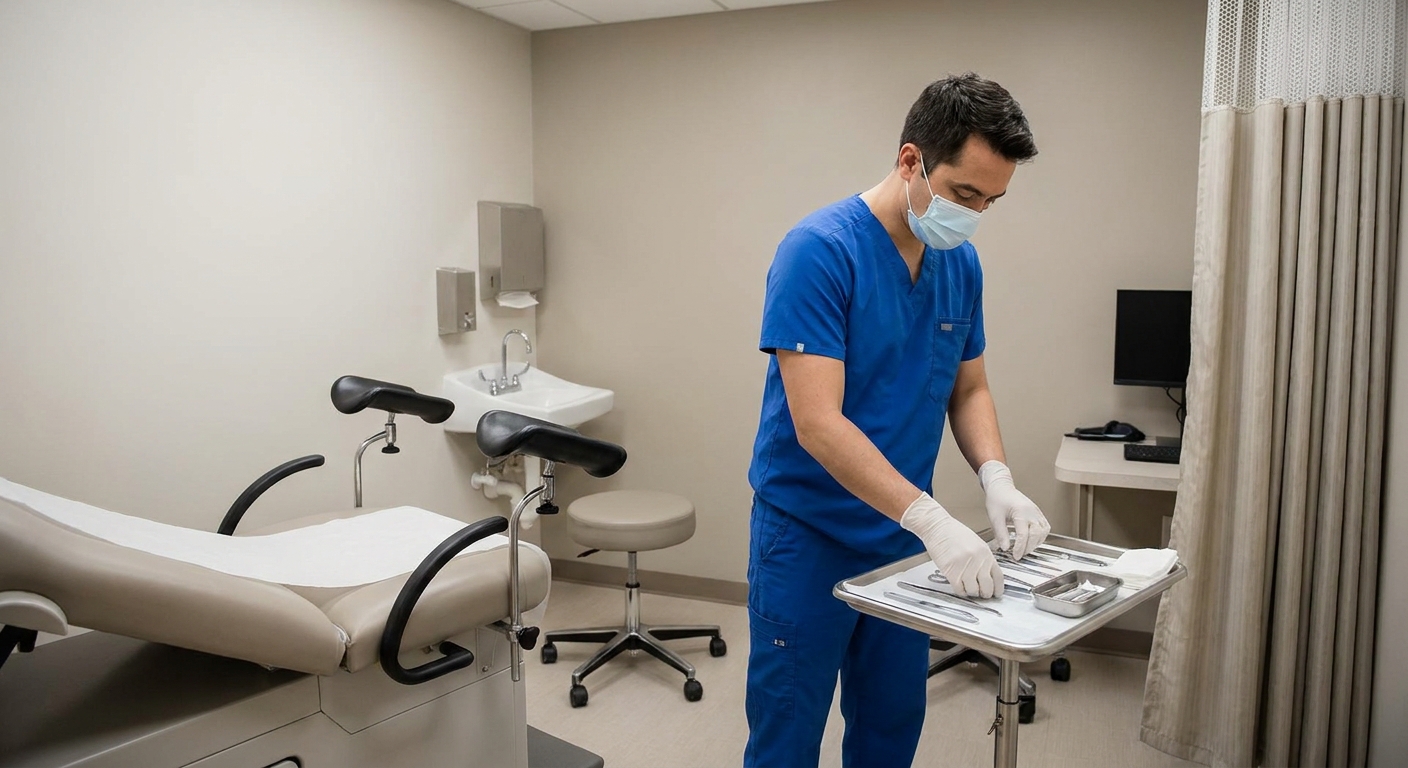
A pelvic exam is typically the key step. You may be asked to bear down (like you are having a bowel movement) or cough so the clinician can see how the vaginal walls move with pressure.
Many practices describe prolapse as mild, moderate, or severe. Some use a standardized staging system called POP-Q, which uses specific measurement points to describe what is happening in each vaginal compartment.
Urine testing and bladder emptying checks
If you have urinary symptoms, a clinician may:
- do a urinalysis to check for infection or blood
- measure post-void residual, which is how much urine remains after you pee (often checked by ultrasound or a catheter in the office)
Do you need imaging or urodynamic testing?
Not usually for a straightforward cystocele. Most of the time, the diagnosis is made by history plus exam.
Imaging (such as ultrasound) or urodynamic testing may be considered when symptoms are complex, when the diagnosis is unclear, when there is significant trouble emptying, or as part of surgical planning in select cases.
Do you need a cystoscopy?
Not usually for a straightforward cystocele. A cystoscopy is a procedure where a clinician looks inside the bladder with a small camera. It is typically used when there are concerns such as unexplained blood in the urine, recurrent UTIs with unclear cause, suspected bladder lesions, or certain complicated urinary symptoms.
For prolapse, cystoscopy may be considered in select situations, but the diagnosis of cystocele itself is generally made by exam, not by scoping the bladder.
Treatment options
The “best” treatment depends on your symptoms, exam findings, overall health, and your preferences. Mild cystocele that is not bothersome may not need aggressive treatment.
1) Watchful waiting
If symptoms are mild, you and your clinician may choose to monitor. This can include:
- treating constipation
- avoiding heavy straining
- addressing chronic cough
- pelvic floor physical therapy
2) Pelvic floor physical therapy
Pelvic floor physical therapy is one of my favorite starting points for many patients because it is non-surgical, practical, and helpful for many people. A trained pelvic PT can help you:
- learn proper pelvic floor muscle coordination (it is not always just “do Kegels”)
- improve core and hip support
- reduce downward pressure habits (breath holding, straining)
- manage urinary symptoms that often travel with prolapse
3) Pessary
A pessary is a removable silicone device placed in the vagina to help support the vaginal wall and bladder. Some people use a pessary short-term, and others use it long-term.
Pessaries can be an excellent option if you:
- want to avoid or delay surgery
- are postpartum and your tissues are still recovering
- have medical conditions that make surgery higher risk
Fitting is typically done in the clinic. You may be taught how to remove, clean, and replace it yourself, or you can return for regular follow-up visits.
Most people do well with a pessary, but it does require follow-up. Let your clinician know right away if you develop significant pain, bleeding, a foul odor, or worsening discharge.
4) Vaginal estrogen (for some postmenopausal patients)
For people who are postmenopausal, local vaginal estrogen may improve vaginal tissue comfort and reduce irritation, especially if using a pessary or dealing with dryness. It does not “cure” prolapse, but it can support tissue health for some.
This is not appropriate for everyone. Your clinician can help you weigh benefits and risks based on your medical history.
5) Surgery
Surgery may be considered when symptoms are significantly affecting quality of life or when other approaches have not helped. Procedures vary and may include repair of the anterior vaginal wall support.
Approaches can include native tissue repair (using your own tissue) and, in select cases and depending on local guidelines and individual factors, mesh-based approaches. If you are considering surgery, it is reasonable to ask what material and technique are being used and why.
If you are considering surgery, ask specifically about:
- recovery time and lifting restrictions
- the likelihood of prolapse returning
- how urinary leakage might change after repair (including whether you might have occult stress incontinence)
- options if you also have uterine or apical prolapse or rectocele
Many people do very well with appropriate surgical repair, especially when paired with long-term habits that protect pelvic support.

Self-care and symptom relief at home
Home strategies will not “push everything back permanently,” but they can reduce symptoms and help prevent worsening.
- Manage constipation: Aim for soft, easy-to-pass stools using fiber, hydration, and stool softeners if recommended by your clinician.
- Use proper lifting technique: Exhale during exertion, avoid breath holding, and reduce heavy lifting when possible.
- Treat chronic cough: Get help for allergies, asthma, reflux, or smoking cessation as needed.
- Consider a footstool: For bowel movements, elevating feet can reduce straining.
- Pelvic floor exercises: Only if you have been taught correct technique. Some people unknowingly bear down instead of lifting, which can worsen symptoms.
When to seek medical care urgently
Cystocele is usually not an emergency, but certain symptoms should be checked quickly:
- Inability to urinate or painful urinary retention
- Fever with urinary symptoms (possible kidney infection)
- New, severe pelvic pain
- Vaginal bleeding not explained by your normal cycle or menopause evaluation
- Bulge with sores, bleeding, or signs of infection
Questions to ask at your appointment
- Do I have a cystocele, stress incontinence, overactive bladder, or a mix?
- Am I emptying my bladder completely?
- Would pelvic floor physical therapy help in my specific case?
- Am I a good candidate for a pessary?
- If surgery is an option, what procedure are you recommending and why?
- Do you suspect occult stress incontinence?
- What can I do day-to-day to prevent worsening?
FAQ
Can a cystocele go away on its own?
A cystocele typically does not fully “go away,” but symptoms can improve with pelvic floor therapy, pessary use, and lifestyle changes. Postpartum symptoms sometimes improve as tissues heal.
Is a cystocele the same thing as a UTI?
No. A cystocele is a structural support issue. However, it can contribute to incomplete bladder emptying in some people, which may raise the risk of UTIs.
Does a cystocele always cause leaking?
No. Some people have mainly pressure and bulging. Others have leaking, urgency, or both.
Can exercise make it worse?
High-impact activities, heavy lifting with breath holding, and intense abdominal straining can worsen symptoms for some. Many people can still exercise safely with modifications, pelvic floor guidance, and smart load management.
The bottom line
A cystocele is the bladder bulging into the vaginal wall because the tissues that normally support it have weakened. It can cause a bulge sensation and trouble emptying the bladder, and it is not the same thing as stress urinary incontinence that happens only with coughing or sneezing.
If you suspect prolapse, you deserve a straightforward pelvic exam and a plan that fits your life. In my experience, the most helpful first step is simply naming what is happening in your body. From there, you have options.