In clinic, one of the most common clues that something is narrowing the urinary “pipeline” is when someone tells me, “My stream is getting weaker,” or, “It sprays everywhere,” or, “I keep getting infections.” A urethral stricture is one possible reason, and it is often treatable once it is correctly identified, although some strictures can recur and need ongoing management.
A urethral stricture is scar tissue that narrows the urethra, the tube that carries urine from the bladder out of the body. Think of it like a kink or tight ring inside a drinking straw. When the opening becomes smaller, urine has to push through a tighter space. That extra resistance can cause symptoms that range from annoying to urgent.

What the urethra does and where strictures happen
The urethra is the “exit route” for urine. Its length depends on anatomy.
- In people with a penis, the urethra is longer and passes through the prostate and the penis, which gives more places where scarring can occur.
- In people with a vulva, the urethra is shorter, so strictures are less common but still possible.
A stricture can occur anywhere along the urethra. Some are short, like a small tight band. Others are longer segments. Location and length matter because they help determine the best treatment.
It is also worth saying plainly: not every weak stream is a stricture, and not every stricture causes pain. The point of testing is to avoid guessing and to target the right problem.
Symptoms of a urethral stricture
Symptoms come from slowed or blocked urine flow and from urine not emptying well, which can irritate the bladder and raise infection risk.
Common signs
- Weak urine stream or needing to strain to start or keep urinating
- Spraying, split stream, or dribbling after you think you are done
- Feeling of incomplete emptying
- Going more often or having urgency, especially at night
- Recurrent infections, such as repeated UTIs (or, in some people with a penis, episodes labeled prostatitis or epididymitis), especially if cultures are positive
- Pain or burning with urination in some cases
- Blood in the urine can happen, especially if there is irritation
When symptoms become an emergency
A severe stricture can cause urinary retention, meaning you cannot pass urine at all. This is urgent.
Seek emergency care now if you cannot urinate, have severe lower abdominal pain or swelling, or you have fever and chills, flank or back pain, or you feel very ill along with urinary symptoms.
What causes a urethral stricture?
Anything that injures or inflames the urethral lining can heal with scar tissue. Sometimes the cause is obvious, and sometimes it is not.
Common causes
- Trauma: A straddle injury (for example, falling onto a bike bar), pelvic fracture, or direct injury can damage the urethra.
- Medical procedures or instrumentation: Prior urinary catheter placement, repeated catheterizations, or scopes placed through the urethra (such as cystoscopy) can lead to scarring.
- Prior surgery: Procedures involving the prostate or urethra can increase risk. Some people develop narrowing at the bladder neck after prostate surgery, which can mimic or overlap with urethral stricture symptoms.
- Inflammatory skin conditions: Lichen sclerosus can affect genital tissues. In people with a penis it can cause scarring and narrowing at or near the urethral opening and along the penile urethra. In people with a vulva, it more often affects vulvar skin, but it can also contribute to meatal or urethral narrowing in some cases.
- Infections: Sexually transmitted infections that inflame the urethra can contribute to strictures. This is less common in many places than it once was due to earlier diagnosis and treatment, but it remains a consideration.
It is also possible to have a stricture without a clear trigger, especially if the scarring developed gradually over time.

How a urethral stricture is diagnosed
Because several conditions can mimic each other, the goal is to confirm where the narrowing is, how long it is, and how much it blocks flow. For example, in people with a penis, benign prostatic enlargement can also slow the stream, but the treatments are different. Overactive bladder, pelvic floor dysfunction, urinary infection, stones, tumors, and bladder neck narrowing after surgery can also cause overlapping symptoms. Getting the diagnosis right matters.
History, exam, and basic urine testing
Your clinician will ask about prior injuries, procedures, infections, urinary symptoms, and how quickly the changes developed. A physical exam may look for skin changes that suggest lichen sclerosus. A urinalysis and sometimes a urine culture can check for infection or blood.
Post-void residual (PVR)
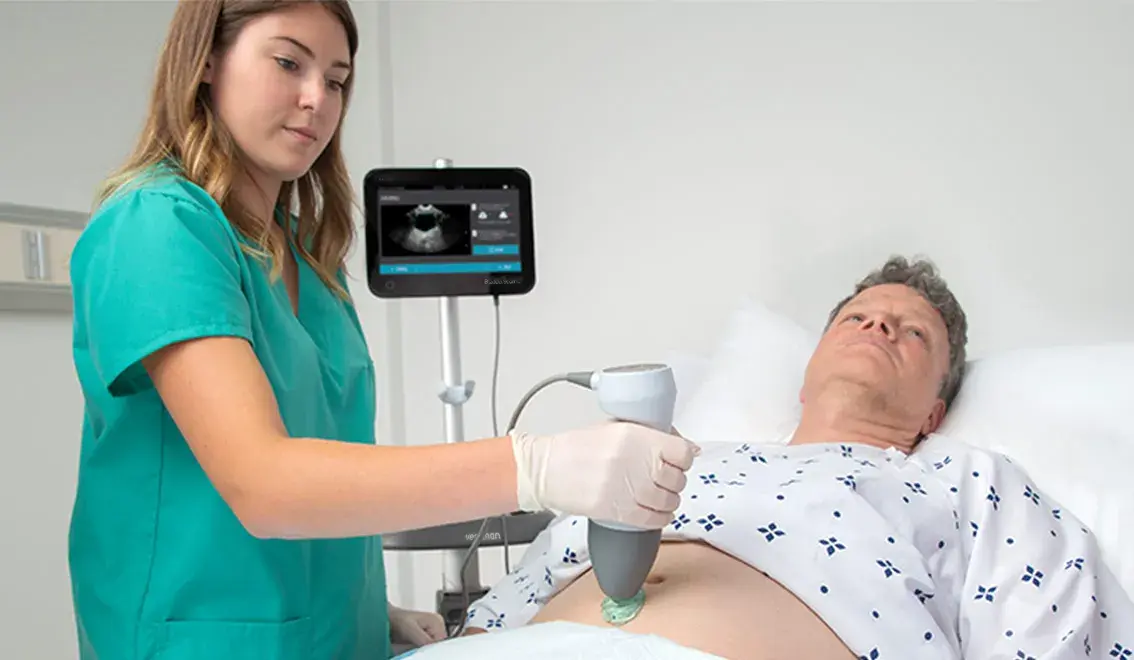
A post-void residual test measures how much urine is left in the bladder after you urinate, usually by ultrasound. A high residual does not prove a stricture by itself, but it supports the idea that urine is not emptying well and can help guide next steps.
Urine flow test (uroflow)
A urine flow test measures how fast urine comes out and the shape of the flow pattern. A stricture often causes a low peak flow and a prolonged, weaker stream. This test does not show the scar directly, but it is a helpful, noninvasive clue.
Cystoscopy
A cystoscopy uses a thin camera passed through the urethra to look inside. It can directly visualize a narrowing and help determine its location.
If you are nervous about cystoscopy, you are not alone. In many cases, numbing medicine is used, and the procedure is brief. The most important thing is that it gives real-time information about what is happening inside the urethra.
Urethrogram (often a retrograde urethrogram)
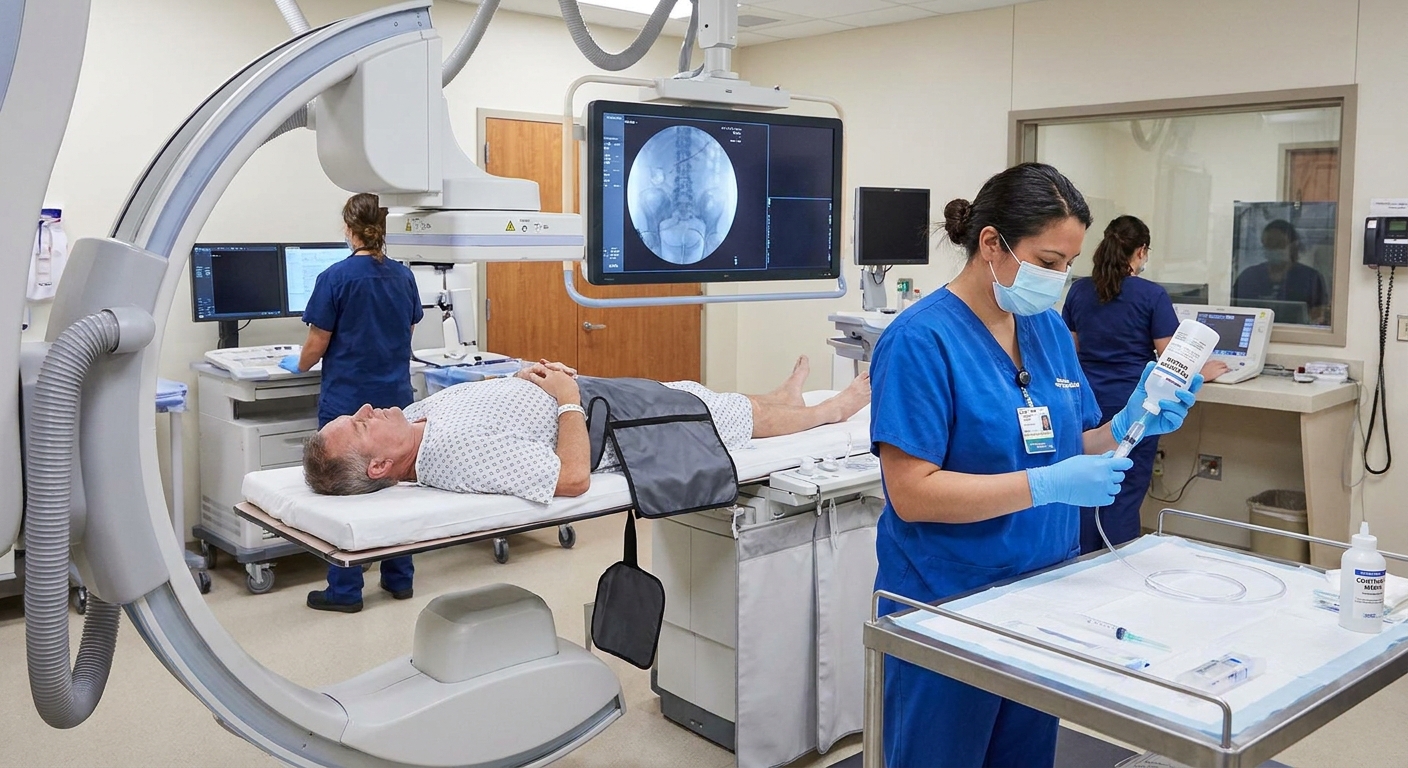
A urethrogram is an imaging test where contrast dye is used to outline the urethra on X-ray. This can be especially useful to measure stricture length and define anatomy before planning treatment.
Sometimes clinicians use a combination of cystoscopy and urethrogram because together they provide a clearer map of the scar.
Treatment options
Treatment depends on the location, length, and severity of the stricture, plus your symptoms and overall health. The main goals are to restore urine flow, prevent retention and infections, and protect bladder and kidney function.
One practical way I frame it for patients is this: dilation and internal urethrotomy can help quickly, especially for short, straightforward strictures, but they are more likely to be temporary solutions for many strictures. Urethroplasty is more involved, but it tends to offer the most durable results for many people.
Dilation
Dilation gradually stretches the narrowed area using progressively larger instruments. It can provide relief, especially for short strictures, but some strictures recur and require repeat treatments. In select cases, a urologist may discuss intermittent self-catheterization for a period of time to help keep the channel open.
Internal urethrotomy (DVIU)
This is an endoscopic procedure where the stricture is cut internally to widen the channel. Like dilation, it can help, but recurrence is possible, particularly with longer or more complex strictures. A temporary catheter is commonly left in place afterward while the area heals.
Urethroplasty
Urethroplasty is a surgical repair that reconstructs the narrowed segment. It is more involved than dilation or urethrotomy, but for many strictures it offers the best long-term success. A urologist will discuss whether the stricture can be removed and reconnected or whether a graft is needed. A catheter is typically used during recovery, and your surgical team will review expected healing time and activity restrictions.
Catheter or suprapubic tube in urgent situations
If someone cannot urinate, immediate drainage is necessary. Sometimes this is done with a urethral catheter. In certain cases, a suprapubic catheter (placed through the lower abdomen into the bladder) is used to bypass the urethra, especially if passing a catheter through the stricture is not safe or not possible.
Risks and aftercare
Any procedure on the urethra can carry risks such as bleeding, temporary burning with urination, urinary infection, and recurrence of narrowing over time. Your urology team will tailor treatment to your anatomy, goals, and prior procedures, and will explain what to expect afterward, including catheter care if one is needed.
Why it is important not to ignore symptoms
I understand the instinct to “wait it out,” especially when urinary symptoms feel embarrassing. But ongoing blockage can lead to real complications, including:
- Recurrent infections
- Bladder stones
- Worsening bladder function from chronic straining and incomplete emptying
- Kidney damage in severe, prolonged obstruction
- Acute urinary retention, which can be painful and urgent
The earlier a stricture is evaluated, the more options you usually have.
What you can do now
Prepare for your appointment
- Write down your symptoms and how long they have been happening.
- Note any prior catheterizations, scopes, pelvic injuries, or surgeries.
- Track infections: how many episodes, what treatment you received, and whether cultures were positive.
- Bring a list of medications and supplements.
Ask focused questions
- Where is the suspected narrowing: urethra, prostate area, bladder neck, or something else?
- What tests do you recommend and why: urine testing, PVR, flow test, cystoscopy, urethrogram?
- If it is a stricture, how long is it and what are my treatment options?
- What is the chance it comes back with each option?
- If I need a catheter after treatment, how long will it stay in?
FAQ
Is a urethral stricture the same as an enlarged prostate?
No. Both can cause a weak stream, especially in people with a penis, but they are different problems. A urethral stricture is scar tissue narrowing the urethra. Benign prostatic hyperplasia is enlargement of the prostate gland that compresses the urethra. The evaluation helps tell them apart.
Is a urethral stricture the same as a ureteral stricture?
No. The ureter is the tube from the kidney to the bladder. The urethra carries urine from the bladder out of the body. A stricture can happen in either place, but symptoms, testing, and treatments differ.
Can a urethral stricture cause infections?
Yes. When urine does not empty well, bacteria have more opportunity to grow, which can raise the risk of infection.
Does cystoscopy always hurt?
Many people describe pressure, stinging, or discomfort rather than severe pain. Numbing gel is often used. If you are anxious or have had difficult experiences in the past, tell your urology team ahead of time so they can discuss comfort options.
Can strictures come back after treatment?
They can, especially after dilation or internal urethrotomy. Recurrence risk depends on the stricture’s length, location, and cause. Urethroplasty generally has stronger long-term success for many strictures.
When to call a clinician urgently
Contact a clinician quickly, or seek urgent care, if you have:
- Inability to urinate
- Fever, chills, flank or back pain with urinary symptoms
- Visible blood in the urine with clots
- Severe pain or rapidly worsening urinary obstruction
If your stream is weakening, spraying, or you keep getting infections, you are not overreacting by bringing it up. A urethral stricture is a clear, medical explanation for symptoms many people try to tolerate for far too long, and a urology evaluation can usually pinpoint the cause and guide you toward relief.