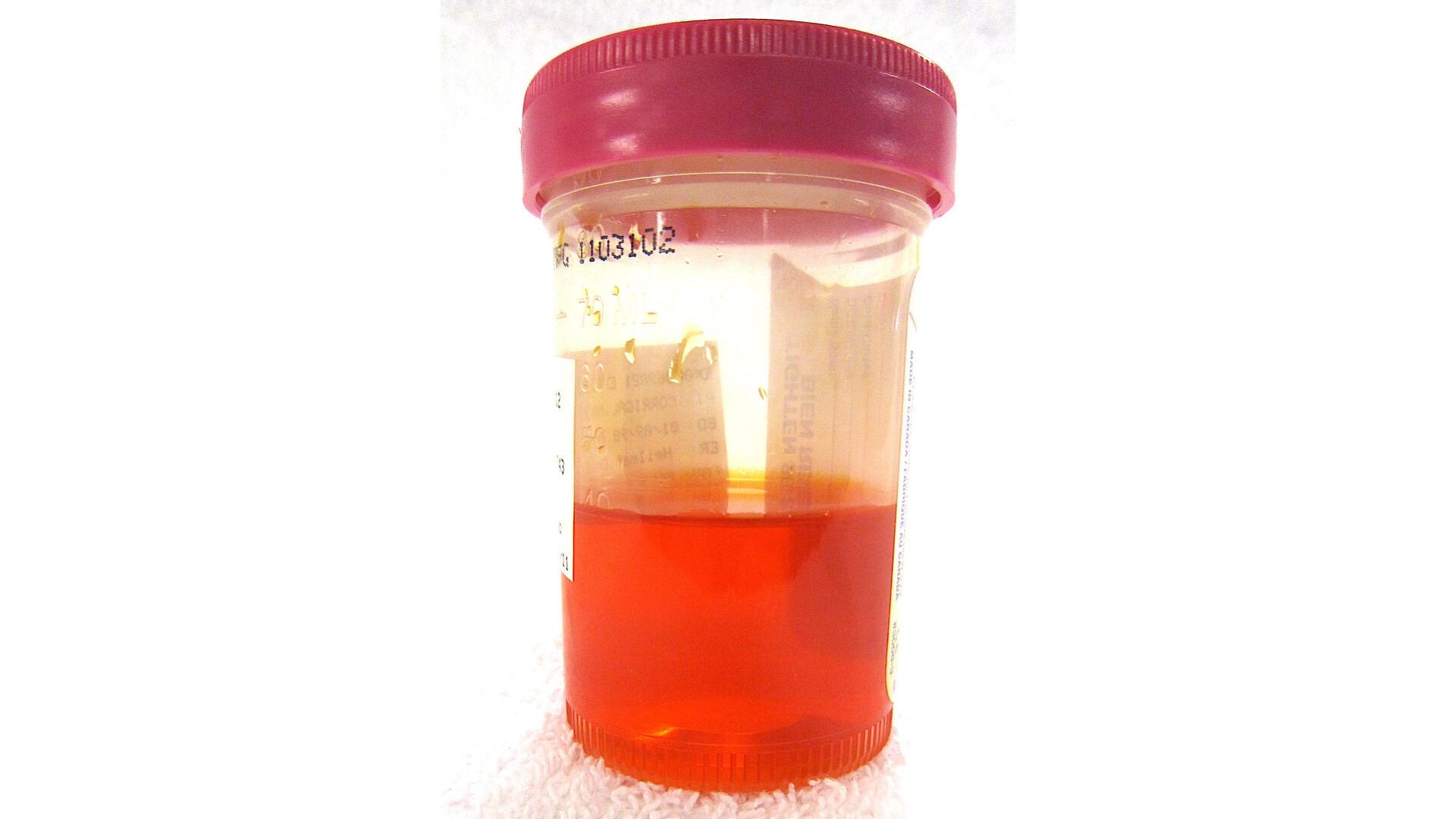
When a patient tells me they noticed blood in their urine and they feel unusually tired, I think about a wide range of causes. Many are treatable and not immediately dangerous. But there is one rare diagnosis I never want to miss because time matters so much: anti-GBM disease.
Anti-GBM disease is an autoimmune condition where the immune system makes antibodies that attack the kidney’s filters, and sometimes the lungs. It can lead to rapidly worsening kidney function, and when the lungs are involved, it can cause bleeding into the air sacs (alveoli), which is a medical emergency.
Anti-GBM disease in plain language
Your kidneys filter your blood through tiny bundles of blood vessels called glomeruli. Think of each glomerulus as a very fine coffee filter: it should keep blood cells and protein in the bloodstream while allowing waste and extra fluid to pass into urine.
In anti-GBM disease, the immune system produces anti-glomerular basement membrane antibodies. These antibodies mistakenly target a specific part of the glomerulus called the basement membrane, which is a key layer of the kidney’s filtration barrier.
This attack causes inflammation and injury that can progress quickly, sometimes over days to weeks. Without urgent treatment, it can result in permanent loss of kidney function.
What symptoms can happen?
Anti-GBM disease often shows up as a type of rapid kidney inflammation called rapidly progressive glomerulonephritis. Some people feel very unwell, while others have subtle early symptoms.
Kidney-related symptoms
- Blood in the urine (pink, red, cola-colored, or sometimes only seen on a urine test)
- Foamy urine from protein leaking through the filter
- Swelling in the legs, ankles, or around the eyes
- High blood pressure
- Decreasing urine output
- Fatigue, nausea, poor appetite as kidney function worsens
Lung-related symptoms (when the lungs are involved)
When anti-GBM antibodies also attack the basement membrane in the lungs, it can cause pulmonary hemorrhage, meaning bleeding in the lungs.
- Coughing up blood (hemoptysis), which may be bright red or rust-colored
- Shortness of breath
- Chest tightness
- New or worsening anemia (feeling weak, lightheaded) from blood loss
If someone has blood in the urine plus coughing up blood, I treat that as an emergency until proven otherwise.

Why it is considered urgent
The key issue with anti-GBM disease is that it can move fast. The inflammation can create crescent-shaped scars in the glomeruli (often called crescentic glomerulonephritis). Once scarring is established, kidney recovery becomes much harder, even with excellent treatment.
That is why clinicians push for rapid evaluation. If anti-GBM disease is suspected, it is common to involve a nephrologist urgently, sometimes the same day.
How doctors test
Diagnosis usually relies on a combination of urine testing, blood work, and a kidney biopsy.
1) Urine and basic blood tests
- Urinalysis may show blood and protein, and under a microscope may show red blood cell casts.
- Kidney function tests include creatinine (a blood test that reflects kidney filtration) and estimated GFR, which can show declining filtration.
- Complete blood count can detect anemia, especially if there is lung bleeding.
One practical point I tell patients: urine abnormalities often show up early, sometimes before creatinine looks dramatically abnormal. But if anti-GBM is the cause, creatinine can also rise quickly once things accelerate.
2) The anti-GBM antibody blood test
This is the specific test many people do not realize exists. A blood test can detect circulating anti-GBM antibodies. A positive result in the right clinical setting strongly supports the diagnosis and can speed treatment decisions.
Important nuance: modern tests are generally sensitive, but a negative result does not always rule it out. Rarely, antibodies can be low-titer, hard for an assay to detect, or the disease can be seronegative with biopsy-proven linear antibody staining. If the story and urine findings strongly point to anti-GBM disease, clinicians still move quickly toward specialist input and biopsy.
3) The kidney biopsy (often the deciding test)
A kidney biopsy is typically the most definitive way to confirm anti-GBM disease and assess how much damage has already occurred.
On biopsy, a classic finding is linear antibody staining along the glomerular basement membrane on immunofluorescence testing. The biopsy also helps the care team understand how aggressive the disease is, whether there are crescents, and what the chances of kidney recovery may be.

What else it could be
Blood in the urine plus kidney injury, and especially a lung bleeding picture, has a short list of serious possibilities. Part of why testing moves so fast is that different diseases can look similar at first, but need different treatment choices.
- ANCA-associated vasculitis can cause a similar rapidly progressive glomerulonephritis and lung bleeding pattern.
- IgA nephropathy and other forms of glomerulonephritis can cause blood in the urine and protein, sometimes with rapid worsening.
- Infection-related glomerulonephritis can follow or accompany infections and may change how aggressively immunosuppression is used.
This is another reason a nephrologist and a biopsy are often central to the plan when anti-GBM is on the table.
Treatment overview
Anti-GBM disease is typically treated in the hospital because therapy needs close monitoring and the condition itself can be unstable.
Common treatment components
- Plasmapheresis (plasma exchange) to remove harmful antibodies from the bloodstream
- Corticosteroids to rapidly reduce inflammation
- Immunosuppressant medication (often cyclophosphamide or an alternative selected by the specialist) to stop new antibody production
- Supportive care such as blood pressure control, treatment of fluid overload, and sometimes dialysis if kidneys are not filtering adequately
When lungs are bleeding, the situation can become critical, and respiratory support may be needed.
Your team may tailor the approach based on biopsy severity, bleeding risk, antibody levels, and how quickly kidney function is changing. In many centers, plasma exchange is continued until antibodies become undetectable and the clinical picture is stabilizing, but the exact plan is individualized.
Anti-GBM vs Goodpasture
You may hear the term Goodpasture syndrome. In everyday conversation, people often use it interchangeably with anti-GBM disease, but there is a helpful distinction that some clinicians use:
- Anti-GBM disease refers to the antibody-driven autoimmune process, which may involve kidneys alone or kidneys plus lungs.
- Goodpasture syndrome is often used when there is both kidney involvement and lung bleeding, meaning a pulmonary-renal syndrome.
Not every person with anti-GBM disease has lung involvement.
How it differs from Alport
Because both conditions can involve blood in the urine and kidney problems, anti-GBM disease is sometimes confused with Alport syndrome. The cause, timeline, and family implications are very different.
Alport syndrome in a nutshell
- Inherited condition caused by changes in genes that help form type IV collagen, an important structural protein in the kidney basement membrane
- Often causes persistent microscopic blood in urine beginning in childhood or young adulthood
- May be associated with hearing loss and certain eye findings
- Kidney decline is typically gradual over years, not sudden over days to weeks
Anti-GBM disease in contrast
- Autoimmune, not inherited
- Can cause rapid kidney failure
- May involve lung bleeding, which is not a typical feature of Alport syndrome
- Often requires urgent antibody testing, biopsy, and hospital-based treatment
If someone in your family has Alport syndrome, that does not mean you are destined to get anti-GBM disease. They are fundamentally different processes.
How it differs from lupus
Lupus nephritis is another immune-related kidney disease, but the immune target and the overall health picture differ from anti-GBM disease.
Lupus nephritis in a nutshell
- Occurs in people with systemic lupus erythematosus (SLE)
- Kidney injury comes from immune complex deposition rather than anti-GBM antibodies attacking the basement membrane directly
- Often comes with other lupus features such as joint pain, rashes, mouth ulcers, photosensitivity, fevers, or low blood counts
- Blood tests may show positive ANA, anti-dsDNA, and low complement levels
Anti-GBM disease in contrast
- Driven by anti-GBM antibodies
- May present without systemic symptoms like rash or arthritis
- Has a classic linear staining pattern on kidney biopsy, unlike the immune complex patterns seen in lupus nephritis
Both can be serious and both may need immunosuppressive therapy, but the diagnostic testing and treatment strategy are not the same.
When to seek urgent care
Blood in the urine should always be taken seriously, even if it is painless. With anti-GBM disease specifically, the do not wait signs are related to rapid kidney decline and lung bleeding.
Go to the emergency department now if you have:
- Coughing up blood or bloody sputum
- Shortness of breath that is new or worsening
- Very little urine or you stop urinating
- Swelling plus feeling very ill, nauseated, confused, or extremely fatigued
- Blood in the urine with rapidly rising creatinine if you already know your labs
Call promptly for same-day evaluation if you notice:
- Visible blood in urine
- Foamy urine plus swelling
- New high blood pressure readings, especially with urine changes
Questions to ask
In a busy clinic or hospital, clear questions can help you understand what is happening and why things feel urgent.
- “Are you concerned about a glomerular cause of blood in my urine?”
- “Have we checked an anti-GBM antibody level?”
- “Should we also check ANCA antibodies, given the overlap with other pulmonary-renal syndromes?”
- “Do I need a nephrology consult today?”
- “Is a kidney biopsy recommended, and how soon?”
- “Are my lungs involved, and do I need imaging or oxygen monitoring?”
- “What is my creatinine trend and what does it mean for recovery?”
FAQ
Is anti-GBM disease contagious?
No. It is an autoimmune condition, not an infection.
Can anti-GBM disease come back after treatment?
Relapse is less common than in some other autoimmune kidney diseases, but it can occur. It is more likely in people who are “double-positive,” meaning they have anti-GBM antibodies plus ANCA antibodies. Your nephrology team will monitor antibodies and kidney function and guide follow-up.
Does everyone with anti-GBM disease need dialysis?
Not everyone, but some people do, especially if the disease is advanced at diagnosis. Early recognition and treatment improves the chance of avoiding permanent dialysis.
Can you have anti-GBM disease with normal kidney labs?
Early on, creatinine may not look dramatically abnormal. Urinalysis often shows blood and protein earlier, and sometimes red blood cell casts. If kidney function begins to fall, it can do so quickly, which is why prompt evaluation matters.
The bottom line
Anti-GBM disease is a rare but urgent autoimmune attack on the kidney’s filtering membrane, sometimes paired with lung bleeding. If you or someone you love has blood in the urine, swelling, rapidly worsening kidney function, or any coughing up of blood, seek urgent medical care. The right tests, especially an anti-GBM antibody blood test and often a kidney biopsy, can make a life-changing difference when done quickly.