Foamy urine can be surprisingly unsettling. I have had many patients tell me they noticed bubbles that did not go away and immediately worried their kidneys were failing. Most of the time, there is a simple explanation. But when foam is persistent, especially if it is new for you, it is also one of those signs that deserves a calm, step-by-step look.
Let’s walk through what “foamy” can mean, the common harmless causes, and when a urine protein test is the sensible next step.
Foam vs bubbles
People often use “foamy” to mean anything bubbly in the toilet, so you are not alone if it is hard to tell the difference.
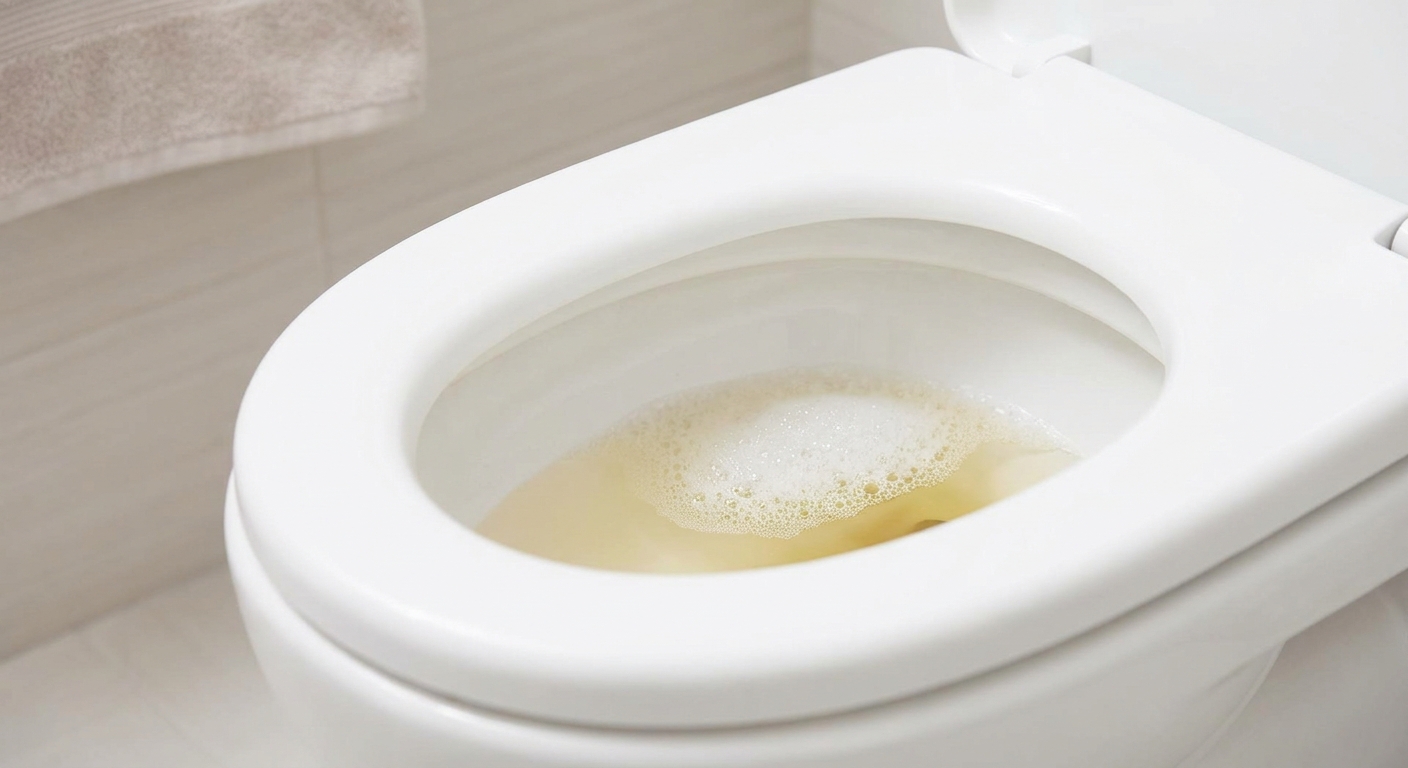
Urine can create bubbles or foam. They can look similar, but they tend to behave differently:
- Simple bubbles are common and usually disappear within seconds to a minute.
- Foam looks more like a layer of froth with many small, tight bubbles. It often lasts longer and can cling to the sides of the bowl.
That said, the toilet environment matters a lot. The same urine can look very different depending on water level, how recently the toilet was cleaned, and how fast the stream hits the water.
Harmless reasons
A forceful stream or a full bladder
A strong urine stream can churn the toilet water and create foam, especially if you have been holding your urine for a while. This is one of the most common explanations.
Clues this is likely: the foam happens mainly when you urinate with a strong stream, and it varies from one bathroom visit to the next.
Toilet cleaners or residue
Many cleaning products, especially those that contain surfactants (soap-like ingredients), can create foam when urine hits the water. Even if you do not see blue water or obvious cleaner, a small amount left behind can change what you see.
Clues this is likely: foam is more noticeable in a freshly cleaned toilet or one that uses an in-tank cleaning tablet.
Semen mixing with urine
After sex or masturbation, small amounts of semen can remain in the urethra and mix with urine the next time you void. Semen contains proteins and other compounds that can make urine look foamy.
Clues this is likely: foamy urine happens shortly after ejaculation and then resolves.
If you have a penis or you produce semen and notice cloudy urine or foam along with pain, burning, fever, pelvic pain, or discharge, that is different and should be evaluated for infection or inflammation.
Mild dehydration
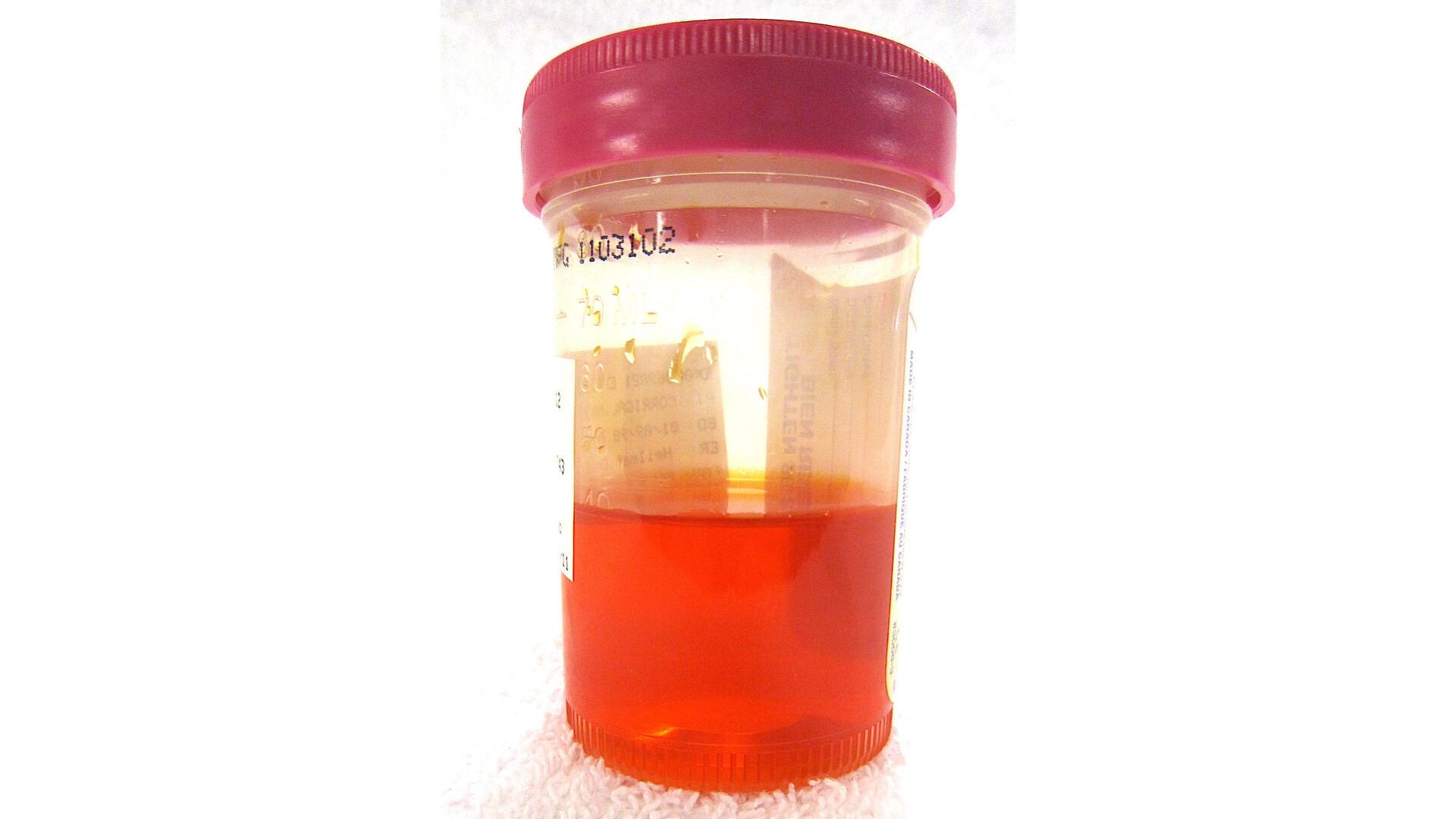
When you are dehydrated, urine becomes more concentrated. Concentrated urine can appear darker and may foam more easily.
Clues this is likely: your urine is darker yellow, you are not drinking much, you have been sweating, or you feel thirsty. Improving hydration often improves the appearance over a day or two.
Recent exercise, fever, or acute illness
It is also possible to have temporary protein in the urine after strenuous exercise, during a fever, or with an acute illness. In those cases, the foam may be intermittent and settle down once you recover.
When it can be protein
The medical reason we pay attention to persistent foamy urine is protein in the urine, also called proteinuria. Protein can contribute to surface tension changes that make urine more likely to form lasting foam.
Normally, your kidneys keep most protein in your bloodstream. If the kidney’s filtering system becomes inflamed or damaged, protein can leak into the urine.
Important nuance: foam alone is not a diagnosis. Some people have significant foam with no protein, and some people have protein with very little foam. But if foam is new, frequent, and consistent, protein is one of the main things we want to rule out.
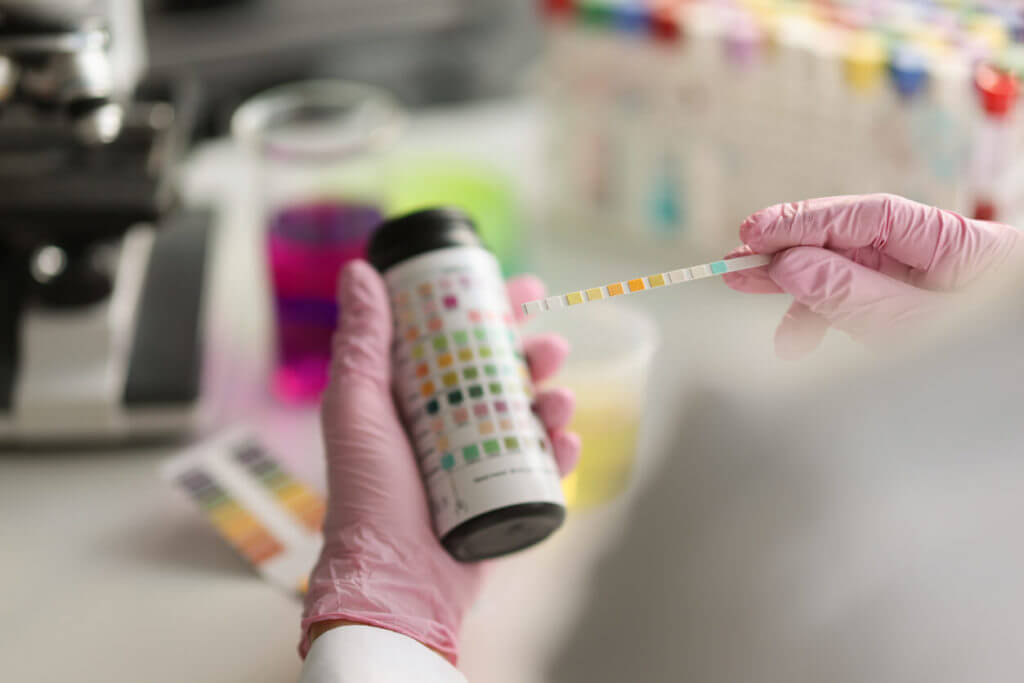
Another nuance: urine dipsticks are a useful first check, but they are not perfect. False positives and false negatives happen. That is why clinicians often confirm and quantify protein with an albumin-to-creatinine ratio (ACR) or protein-to-creatinine ratio (PCR).

Other medical causes to consider
UTI and inflammation
A urinary tract infection is not the classic cause of truly foamy urine, but people often notice urine looks “off” with a UTI. If you have foam along with burning, urgency, foul odor, pelvic pain, fever, or cloudy urine, it is reasonable to get checked for infection.
Diabetes and high urine sugar
Diabetes matters here for two reasons. First, it raises the risk of kidney disease over time. Second, high urine glucose (and sometimes ketones) can change urine concentration and what it looks like. If you have diabetes and notice new persistent foam, it is worth checking urine protein even if you feel otherwise fine.
Orthostatic proteinuria
In some younger people, protein shows up in the urine mainly when they have been upright and active, and not in the morning after lying down. Clinicians sometimes sort this out by repeating urine testing on a first-morning sample.
When to test
From a practical standpoint, I recommend talking with a clinician about urine testing if any of the following are true:
- Foam is persistent for more than a week or two and not clearly linked to toilet cleaner, dehydration, ejaculation, or a brief illness.
- The foam is happening most times you urinate, not just occasionally.
- You also have swelling in your feet, ankles, legs, hands, or around your eyes.
- You notice high blood pressure, new headaches, or you have known hypertension that is harder to control.
- You have diabetes, a history of kidney disease, lupus, or a strong family history of kidney problems.
- Your urine changes in other ways, such as blood, cola-colored urine, or markedly reduced urine output.
Testing is straightforward and usually starts with a urinalysis (often including a dipstick check for protein). If protein shows up, your clinician may confirm and quantify it with an ACR or PCR, plus blood tests to look at kidney function.
If the dipstick is negative but your symptoms persist, clinicians may repeat testing (often with a first-morning sample) and consider other causes, depending on your overall symptoms and risk factors.
Nephrotic syndrome
Nephrotic syndrome is not the first place my mind goes when someone notices foam once or twice. It is a specific condition that typically appears when protein loss in the urine is heavy and the body starts to show clear effects.
Classically, nephrotic syndrome involves:
- Heavy protein in the urine (often nephrotic-range on measurement)
- Swelling, often in the legs, ankles, or around the eyes
- Low blood protein levels (especially albumin) on bloodwork
- Sometimes high cholesterol
If you have foamy urine along with new or worsening swelling, that is a prompt to seek medical evaluation soon, especially if you also feel short of breath, have rapid weight gain from fluid, or notice reduced urination.
Go sooner if
Foamy urine by itself is often not an emergency, but these symptoms should move you toward urgent care or same-day evaluation:
- Shortness of breath or chest pain
- One-sided flank or back pain with fever or chills
- Visible blood in urine (pink, red, or tea-colored urine)
- Severe burning with urination, fever, or feeling very ill
- New swelling plus rapid weight gain over days
- Very low urine output or inability to urinate
What to do at home
Do a simple pattern check
- Hydrate normally for a day or two and see if the foam changes. Do not overhydrate or force fluids just to “test” it.
- Try a different toilet if possible, especially one you know has not been recently cleaned with foaming products.
- Notice timing relative to ejaculation, workouts, fever or illness, or holding urine for long periods.
Keep notes that help
If you are seeing foam repeatedly, jot down:
- How often it happens (occasionally vs most trips)
- Whether it lasts longer than a minute
- Any swelling, weight change, or blood pressure readings if you have them
- Any new medications or supplements
This is not about being obsessive. It is about giving your clinician enough detail to decide whether to test right away.
FAQ
Is foamy urine always a kidney problem?
No. A strong stream, dehydration, semen, and toilet cleaner residue are all common non-kidney reasons. Persistent foam is when it becomes more worthwhile to check for protein.
How long is too long?
There is no perfect cutoff, but foam that regularly lingers and happens most days is more concerning than occasional bubbles that disappear quickly.
Can foods or supplements cause it?
They can indirectly. For example, anything that leads to dehydration (including heavy caffeine use for some people) can concentrate urine. High-protein diets do not automatically cause protein in the urine, but if you have kidney vulnerability, your clinician may want to check.
Can pregnancy cause foamy urine?
Pregnancy can change kidney filtration and fluid balance, and it also raises the importance of monitoring blood pressure and urine protein. If you are pregnant and notice persistent foamy urine, bring it up promptly at prenatal visits. This is especially important if you have swelling, headaches, visual changes, or upper abdominal pain, because those can be warning signs of preeclampsia.
Bottom line
Foamy urine is often a plumbing and physics issue, not a crisis. But persistent foam is also one of those body signals that is worth taking seriously because it can be an early hint of protein in the urine.
If foam is frequent, new, or paired with swelling, high blood pressure, diabetes, pregnancy concerns, or other kidney risk factors, a urine protein test is a sensible next step. Getting clarity early is one of the simplest ways to protect your long-term kidney health.