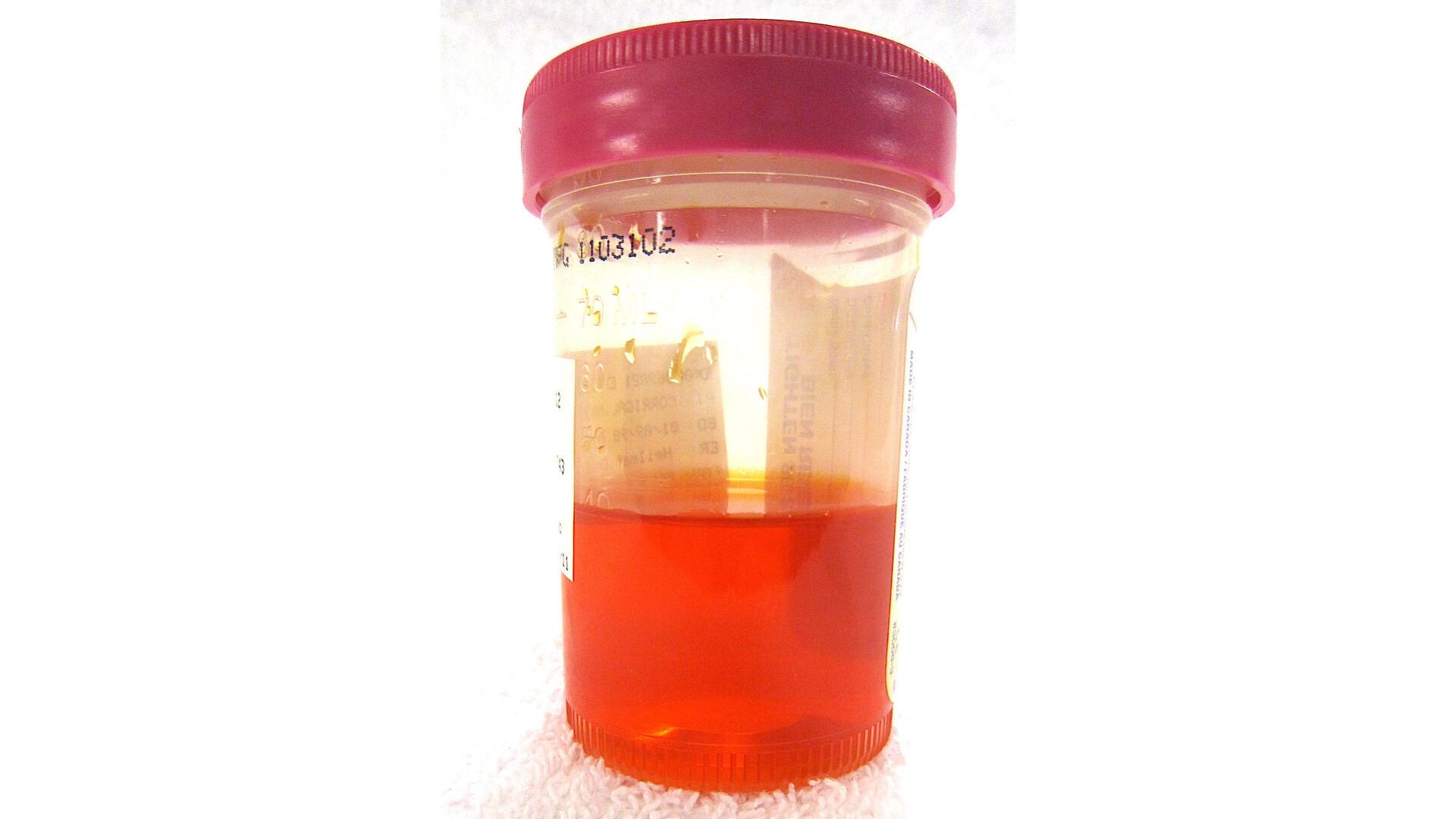
When I worked in a busy family clinic, one of the most unsettling calls I would get was from a parent saying, “My child had strep a couple weeks ago, and now their urine looks like cola.” That combination of a recent strep infection plus dark urine and swelling is a classic setup for post-streptococcal glomerulonephritis, often shortened to PSGN.
PSGN is usually manageable with supportive care, and most children recover well. Still, it deserves prompt medical attention because it can raise blood pressure, strain the kidneys, and cause fluid to build up quickly.
What PSGN is
PSGN is an inflammation of the kidney filters (the glomeruli) that develops after certain infections caused by group A Streptococcus bacteria. These are the same bacteria that commonly cause:
- Strep throat
- Impetigo (a superficial skin infection that can crust)
The key idea is timing. PSGN usually starts one to several weeks after the infection, often when the sore throat or skin rash is already improving or completely gone.
Why PSGN happens
PSGN is considered an immune-mediated condition. After a strep infection, your immune system makes proteins (antibodies) to fight the bacteria. In PSGN, immune activity can end up triggering inflammation in the glomeruli, which are tiny filtering units in each kidney.
When those filters become inflamed, they can start leaking blood and protein into the urine and they may not remove salt and water as efficiently. That is why people can develop swelling and higher blood pressure.
This is also why PSGN can show up even if someone took antibiotics for strep. Antibiotics are still important because they treat the infection and reduce spread. They also help prevent complications like acute rheumatic fever after strep throat. But PSGN is driven by the immune aftermath rather than ongoing bacterial invasion of the kidneys, and it may still occur even when antibiotics are started promptly.
Typical timing
In clinical practice, timing matters as much as symptoms. PSGN typically appears:
- About 10 to 21 days after strep throat (often summarized as 1 to 3 weeks)
- About 2 to 6 weeks after a strep skin infection
People do not always remember the infection, especially with mild sore throats or minor skin sores. But when the timeline fits, it helps clinicians narrow in on PSGN quickly.
Symptoms to watch for
PSGN commonly causes a “nephritic” pattern of symptoms, meaning inflammation in the kidney filters. The most recognizable signs include:
Cola-colored or tea-colored urine
This dark color is usually from blood in the urine that has been in contact with urine long enough to turn brownish rather than bright red.
Swelling (edema)
Swelling often shows up in the face or around the eyes in the morning, and in the ankles and feet later in the day.
Rising blood pressure
When the kidneys retain salt and water, blood pressure can climb. Sometimes families only discover this at an urgent care visit.
Less urine than usual
Some people notice they are urinating less, especially if fluid is being retained in tissues.
Fatigue, headache, or nausea
These can happen from high blood pressure, fluid shifts, or the body’s inflammatory response.

How PSGN is diagnosed
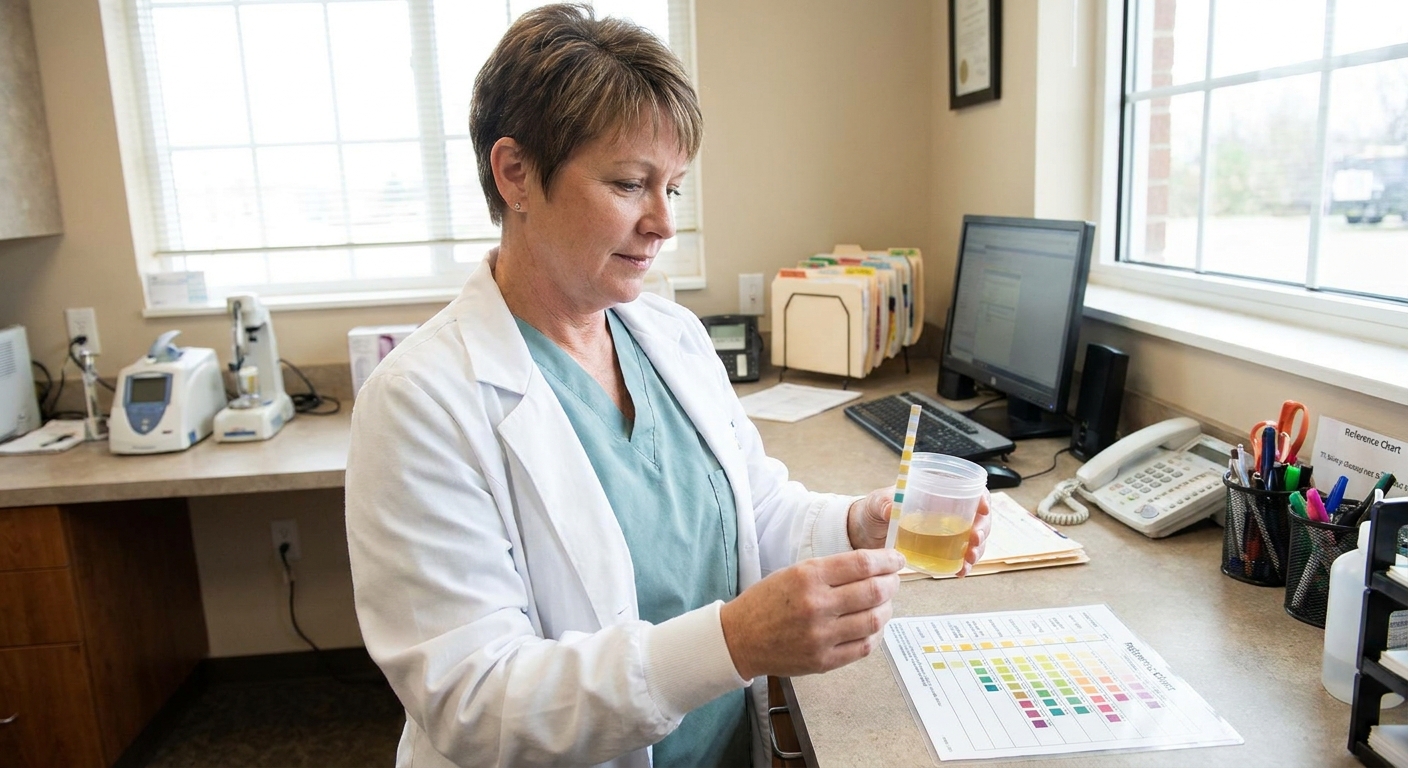
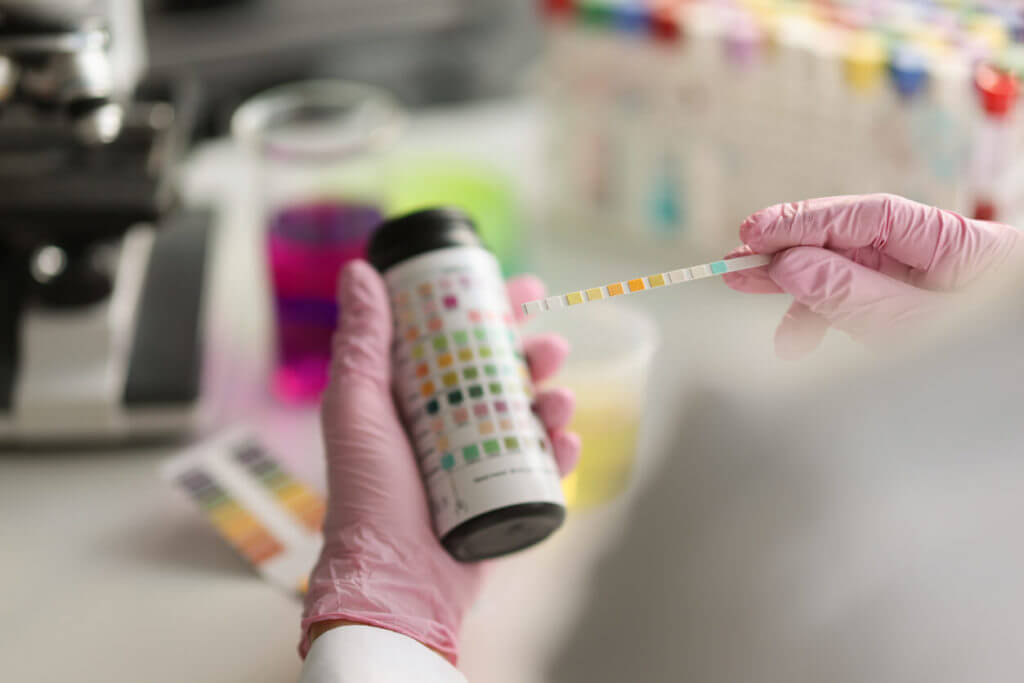
Diagnosis usually comes from a combination of history, exam, urine testing, and bloodwork. In a typical visit, clinicians will usually check a blood pressure, do a quick urine dip (and often send a urinalysis with microscopy), and order basic blood tests to look at kidney function.
Your clinician may look for:
Urinalysis findings
- Blood in the urine (often with red blood cell casts on microscopy)
- Protein in the urine (often mild to moderate)
Kidney function and fluid balance
Bloodwork may include creatinine and other labs that help show how well the kidneys are filtering. Some people, especially if symptoms are more severe, can have a higher creatinine than expected or other signs the kidneys are under stress.
Evidence of recent strep infection
Depending on the situation, clinicians may check blood tests that suggest a recent group A strep infection. Common examples include ASO (anti-streptolysin O) and anti-DNase B. Your clinician may also evaluate recent throat or skin infection history and, when appropriate, test or treat close contacts based on local guidance.
The complement clue: low C3 that later recovers
A particularly helpful lab pattern in PSGN is a low complement C3 level during the acute illness that returns to normal over time as the condition resolves. This “low then recovers” pattern supports PSGN and helps distinguish it from some other kidney diseases.
If C3 stays low longer than expected, if kidney function worsens, or if symptoms are atypical, clinicians may consider other diagnoses and involve a nephrologist.
PSGN vs. IgA nephropathy
A common point of confusion is mixing up PSGN with another cause of kidney-filter bleeding: IgA nephropathy.
Here is the practical difference I teach patients and families:
- PSGN: blood in the urine tends to show up after the infection, usually 1 to several weeks later.
- IgA nephropathy: blood in the urine often appears during a respiratory infection, sometimes called “synpharyngitic,” meaning it happens at the same time as the sore throat or cold symptoms.
Both conditions deserve medical evaluation, but the timeline helps your clinician choose the right tests and follow-up plan.
Treatment and recovery
Treatment depends on severity. There is not usually a single medication that “cures” the glomerulonephritis itself. Instead, many cases, especially in children, improve with supportive care while the kidneys heal.
Managing fluid and blood pressure
If swelling and blood pressure are significant, clinicians may recommend:
- Limiting salt temporarily to reduce fluid retention
- Diuretics (water pills) to help the body remove extra fluid
- Blood pressure medicines when needed
Addressing the strep infection
If there is an active strep infection or concern it was not fully treated, antibiotics may be given to clear the bacteria and reduce spread to others. Antibiotics do not reverse PSGN right away, but they can still be important for infection control and overall care.
Monitoring and follow-up
Follow-up typically includes repeat blood pressure checks and repeat urine and blood tests to confirm kidney function is stabilizing and that complement levels like C3 are returning toward normal. Families often ask how long this takes. Many kids start feeling better over days to weeks, but urine findings can take weeks to months to completely normalize, especially microscopic blood in the urine.
Most children recover well. Adults can have a more complicated course and may need closer monitoring.
When to seek urgent care
PSGN should be evaluated promptly. Seek urgent or emergency care right away if you or your child has:
- Shortness of breath or trouble breathing (can signal fluid in the lungs)
- Severe headache, confusion, chest pain, or vision changes (possible very high blood pressure)
- Rapidly worsening swelling of the face, hands, belly, or legs
- Very little urine over the day
- Dark cola-colored urine plus feeling significantly unwell
If symptoms are mild but you notice new dark urine after a recent strep throat or impetigo, call your primary care clinician the same day for guidance.
And a quick reminder from the diagnostic side: dark urine and swelling have several possible causes, including dehydration, muscle breakdown (rhabdomyolysis), kidney stones, and other forms of glomerulonephritis. The right move is the same either way: get checked.
How to reduce risk
You cannot always prevent PSGN, but you can reduce the chances of complications from strep infections by:
- Getting prompt testing for suspected strep throat when appropriate
- Taking antibiotics exactly as prescribed if strep is confirmed
- Seeking care for impetigo or infected skin sores, especially in children
- Practicing good hygiene, including handwashing, to reduce spread within households
Frequently asked questions
Is PSGN contagious?
PSGN itself is not contagious. The strep infection that comes before it can be contagious, which is why treating confirmed strep and reducing spread is important. In general, people with strep throat are much less likely to spread it after about 24 hours of appropriate antibiotics, but follow your clinician’s guidance for return to school and activities.
Can PSGN happen even if my child took antibiotics for strep throat?
Yes. PSGN is driven by the immune response after infection. Antibiotics still matter for treating strep and limiting spread, but they do not guarantee PSGN will not occur, even when started promptly.
How long does PSGN last?
Many people start improving over days to weeks, but urine abnormalities can take weeks to months to fully resolve. Your clinician will guide follow-up testing. A key reassuring sign in PSGN is that low C3 complement typically recovers as healing occurs.
Do you always need a kidney biopsy?
No. Many cases are diagnosed based on symptoms, timeline, urine testing, and bloodwork. A biopsy is typically reserved for unusual cases, severe kidney dysfunction, or when the diagnosis is uncertain.
A final word from the clinic
Seeing cola-colored urine or new swelling can be scary, especially when you thought the strep infection was already behind you. If you remember one takeaway, let it be this: PSGN usually shows up after the infection, not during it, and a low C3 that later returns to normal is a classic lab clue.
If you suspect PSGN, do not wait it out at home. A quick urine dip and blood pressure check can point you in the right direction, and early support can make a big difference in how comfortable and safe recovery feels.