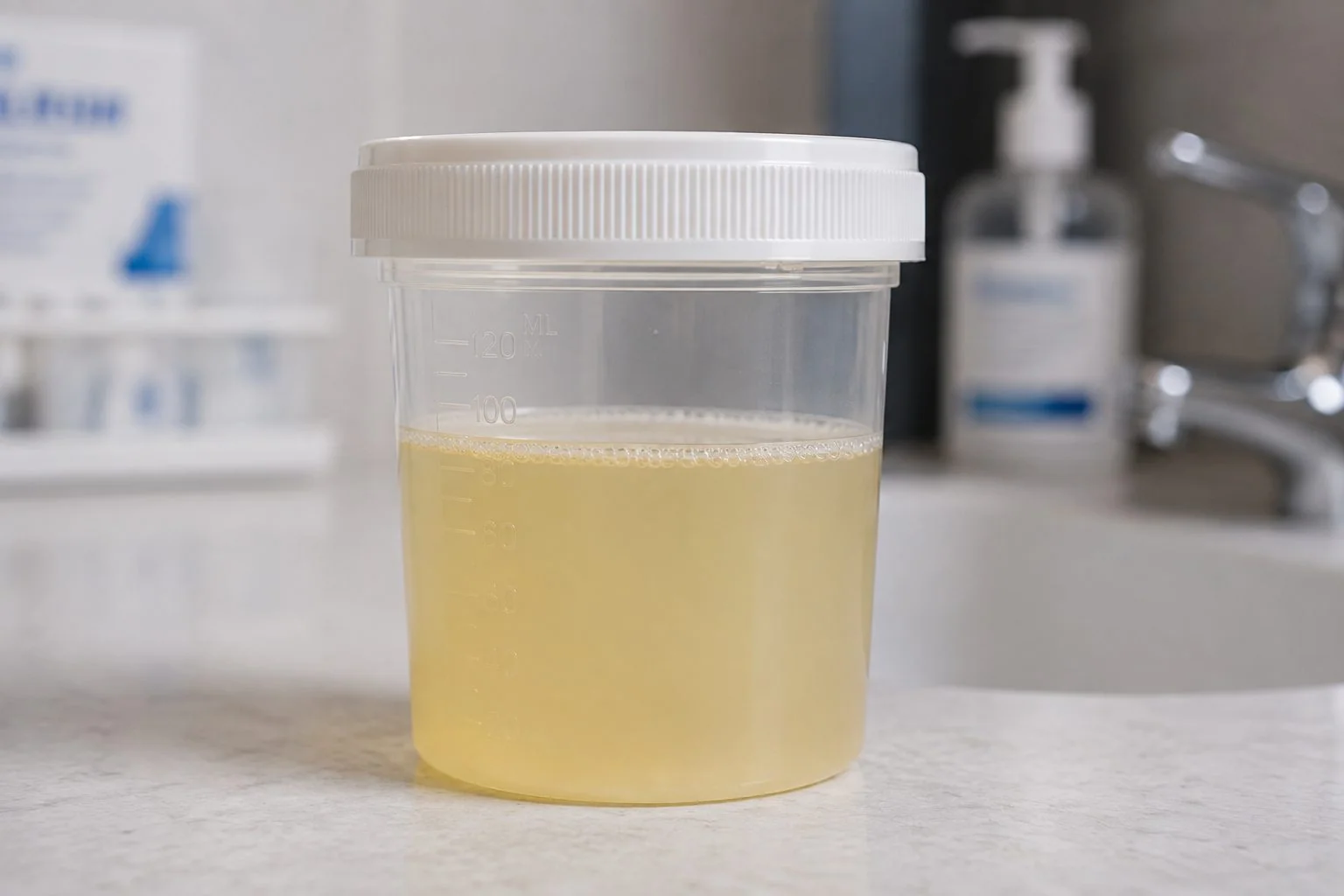
Most of the time, a change in urine smell is harmless and temporary. In my clinic, the most common causes are simple: not drinking enough water, a new vitamin or supplement, or certain foods (like asparagus) that create distinctive byproducts as your body breaks them down. That said, certain odors can be a useful clue, especially when they show up suddenly or come with symptoms like burning, fever, chills, body aches, confusion, or intense thirst.
Urine is mostly water mixed with waste products your kidneys filter out. When the balance of water to waste shifts, or when bacteria, sugars, or ketones enter the mix, the smell can change. Sometimes the strongest “ammonia” smell people notice is not coming from their body at all, but from urine that has been sitting in a toilet bowl or diaper, where urea breaks down over time.

Quick reality check: what is a normal urine smell?
Normal urine has a mild odor that can be slightly “urine-like” without being overpowering. Many people notice a stronger smell first thing in the morning because urine becomes more concentrated overnight. A stronger odor by itself, without other symptoms, is often related to hydration, diet, or vitamins.
If the smell is new for you, persists for more than a day or two, or comes with discomfort or systemic symptoms (like fever, chills, feeling unusually weak, or body aches), it is worth paying closer attention.
Ammonia smell: usually concentrated urine
An ammonia-like smell is one of the most common concerns I hear. It is often a sign that your urine is concentrated, meaning there is less water relative to waste products like urea. Concentrated urine smells stronger.
Common reasons
- Not drinking enough fluids, especially in hot weather or with heavy exercise
- First morning urine
- Dehydration from vomiting or diarrhea
- High-protein diets may make urine more pungent for some people, and dehydration or higher urea concentration can also play a role
- Some vitamins, especially B vitamins, can change odor and color
- Urine sitting in the toilet or diaper (odor can intensify as it stands)
What you can do at home
- Hydrate steadily over the day. Pale yellow urine is a common (not perfect) sign you are better hydrated.
- If you sweat a lot, consider fluids plus electrolytes, especially during prolonged activity.
- Check whether a new supplement or multivitamin lines up with the timing.
When to worry: If the ammonia smell comes with burning, urgency, pelvic pain, fever, or back pain, it may be an infection rather than simple concentration.
Foul or rotten smell: consider a UTI
Urine that smells foul, rotten, or unusually strong can happen with a urinary tract infection (UTI). Some bacteria create odors as they grow, and infection can also make urine appear cloudy.
Two important caveats I tell patients: not all UTIs cause odor, and malodor can occur without an infection (especially with dehydration, certain foods, or medications). Symptoms and testing matter.
Common UTI symptoms
- Burning or pain with urination
- Needing to pee more often, or urgently
- Lower belly discomfort or pressure
- Cloudy urine
- Blood-tinged urine
Get evaluated promptly if you have
Seek prompt evaluation at urgent care or with your primary care clinician if you have possible UTI symptoms plus any of the following:
- Fever or chills
- Flank or back pain (pain on either side of your back below the ribs), which can suggest a kidney infection
- Nausea or vomiting
- Pregnancy (UTIs in pregnancy need prompt testing and treatment)
- Confusion, new sleepiness, or significant weakness, especially in older adults

Sweet or fruity smell: think glucose or ketones
A noticeably sweet, fruity, or candy-like smell is something I take seriously, especially if it is new. Sometimes it is benign. Other times, it can happen when there is extra glucose in the urine or when the body is producing ketones.
Still, odor alone is not a reliable way to diagnose glucosuria or ketones. If there is concern, confirmatory testing is the right next step (a urine dip in clinic, blood glucose testing, and sometimes blood or urine ketones).
What this can mean
- High blood sugar: When blood sugar is elevated, the kidneys may spill glucose into urine, which can change the odor.
- Ketones: When the body breaks down fat for energy, ketones can build up and cause a fruity smell. This can occur with poorly controlled diabetes, prolonged fasting, very low-carb diets, vomiting illness, or dehydration.
Get evaluated the same day if you notice
Get medical evaluation the same day if you notice a new sweet or fruity urine smell along with:
- Heavy thirst or drinking much more than usual
- Frequent urination, especially waking at night to pee
- Unexplained weight loss
- Nausea, vomiting, abdominal pain
- Rapid breathing, unusual fatigue, confusion, or drowsiness
Those symptoms can be associated with significant hyperglycemia and, in some cases, diabetic ketoacidosis, which is an emergency.
Asparagus smell: a normal food change
That distinct sulfur-like odor after eating asparagus is famously common. Asparagus contains compounds that break down into sulfur-containing byproducts, and some people produce and smell them more than others. This is harmless.
Other foods that can alter urine odor
- Garlic and onions
- Coffee
- Cruciferous vegetables (like Brussels sprouts)
- Some spices
- Alcohol (often through dehydration, especially with a hangover)
If the smell clearly follows a food and resolves within a day, it is usually nothing to worry about.

Fishy smell: sometimes TMAU, sometimes something else
A fishy odor can be uncomfortable and distressing, and it deserves a thoughtful evaluation. One specific cause people ask about is trimethylaminuria, a rare condition where the body has difficulty breaking down trimethylamine, a compound that can create a fish-like smell in sweat, breath, and urine.
Trimethylaminuria basics
- The fishy odor is often long-standing or recurrent, not just a one-time change.
- It may worsen after eating certain foods rich in choline or trimethylamine precursors (for example eggs, some fish, organ meats, and certain legumes).
- Diagnosis is medical. It typically involves testing and a careful history.
Other common causes of fishy odor
- Vaginal infection (such as bacterial vaginosis) can cause a fishy smell that people may notice during urination even though the urine itself is not the source.
- UTI can sometimes cause unusual odors, including fishy or foul.
- Dehydration can intensify whatever odor is present.
When to seek care: If you have a fishy smell plus vaginal itching, irritation, unusual discharge, pelvic pain, painful urination, fever, or you are pregnant, schedule prompt evaluation.
Medication, vitamins, and supplements
People are often surprised by how much non-food items can change urine smell. Some antibiotics, high-dose vitamins (especially B vitamins), protein powders, and certain supplements can make urine smell stronger or just “different.”
If the timing fits a new medication, it is reasonable to call your pharmacist or prescribing clinician to ask if odor changes are expected. Do not stop prescription medication without guidance.
Other causes to keep in mind
Most odor changes come down to hydration, diet, supplements, or infection. But there are a few other possibilities worth knowing about:
- Musty or mousy odor can, in some cases, be associated with liver disease. This is not a smell-only diagnosis, but if a musty odor comes with yellowing of the skin or eyes, abdominal swelling, easy bruising, or confusion, get medical care.
- Kidney stones are more likely to cause severe pain, blood in the urine, and nausea than a specific odor. Still, stones can coexist with infection, and any combination of stone-type pain plus fever is urgent.
- Rare metabolic disorders can have characteristic urine odors. For example, maple syrup urine disease is an infant and newborn condition and would not present as a new smell change in a healthy adult.
When urine smell is a red flag
Use this section as your safety checklist. Smell alone is rarely an emergency, but smell plus symptoms can be.
Get prompt care if you have odor changes with
- Fever, chills, or feeling acutely ill
- Flank or back pain
- Confusion, new disorientation, or unusual sleepiness
- New sweet or fruity smell with heavy thirst, frequent urination, nausea, vomiting, abdominal pain, or rapid breathing
- Pregnancy and any UTI symptoms
- Severe pain with urination or inability to keep fluids down
Seek emergency care now if
- You have symptoms of possible diabetic ketoacidosis such as vomiting, belly pain, rapid or deep breathing, confusion, or faintness
- You may be septic: high fever, shaking chills, very low blood pressure symptoms (dizziness, fainting), or severe weakness
What to track before you call
If you are not sure whether to be seen, these details make it much easier for a clinician to guide you:
- When the smell started and whether it is constant or comes and goes
- Hydration status and urine color (pale yellow vs dark amber)
- Any pain, burning, urgency, frequency, or leakage
- Fever, chills, back pain, nausea, or vomiting
- Recent foods (asparagus, garlic, coffee) and alcohol intake
- New vitamins, protein powders, creatine, or medications
- Whether urine may have been sitting (toilet bowl, diaper, specimen cup) before you noticed the smell
- For people with diabetes: recent blood sugars if available
If you are considering an over-the-counter urine dip test, treat it as a rough screening tool, not a diagnosis. If you have significant symptoms, are pregnant, have fever or flank pain, or you have diabetes and feel unwell, skip self-testing and get medical care.
Common questions I hear
Can dehydration really make urine smell that strong?
Yes. When you are dehydrated, urine becomes more concentrated, and the natural waste products smell stronger. If the odor improves as you hydrate and you feel well otherwise, dehydration is a likely culprit.
If my urine smells bad, do I always have a UTI?
No. Odor alone is not a reliable UTI test. UTIs typically cause symptoms like burning, urgency, frequent urination, pelvic pressure, or cloudy urine. A urinalysis and sometimes a urine culture help confirm the cause.
Why does urine smell different after vitamins?
Some vitamins, especially B vitamins, are water-soluble. What your body does not use can leave through urine, altering smell and sometimes making urine brighter yellow.
What if the smell is fishy but I have no urinary symptoms?
If you have a vagina, consider that the odor may be coming from the vagina rather than the urinary tract. Bacterial vaginosis is a common cause of fishy odor and is treatable. If the fishy smell is persistent across sweat, breath, and urine, ask your clinician about evaluation for trimethylaminuria.
The bottom line
Urine smell changes are often explained by hydration, diet, or supplements. The most important clues are newness, persistence, and symptoms. If you notice a foul odor with burning or fever, or a new sweet smell with heavy thirst and frequent urination, it is time to get evaluated promptly. When in doubt, trust your instincts and get checked. A simple urine test can provide a lot of answers.