
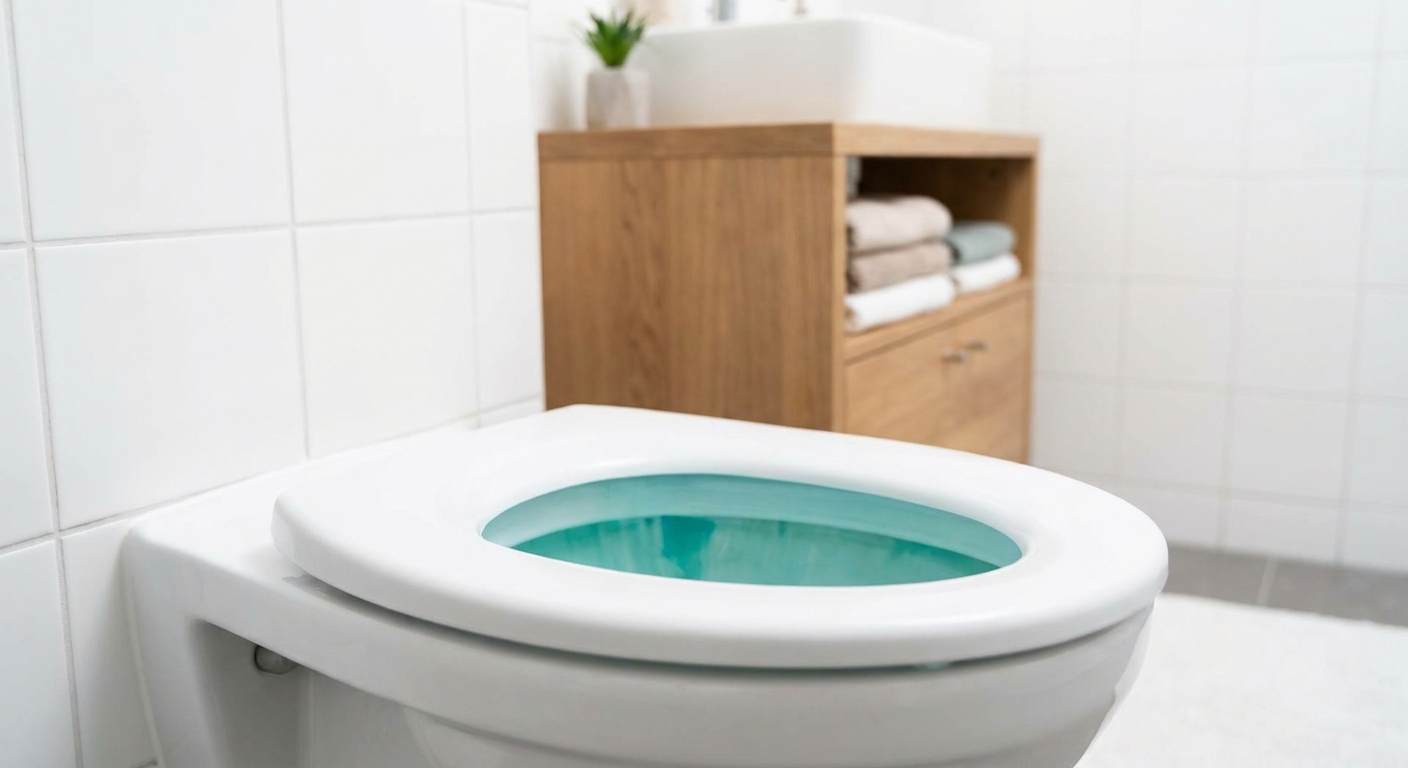
Seeing green or blue in the toilet can stop you in your tracks. In clinic, I have had patients describe it as “Gatorade-colored,” “seafoam,” or “teal.” The good news is that green or blue urine is often explained by a medication, dye, or even something in the toilet bowl and is temporary. The more important part is making sure you are not missing signs of infection, especially if you have a catheter or you are recovering from a procedure.
Below, I will walk you through the most common causes we see in healthcare settings, including propofol, methylene blue, amitriptyline, and certain urinary infections. I will also explain what symptoms matter and how long the color change usually lasts after the trigger is stopped.
First, a quick reality check
Urine color is influenced by hydration, diet, vitamins, medications, dyes, and sometimes infection. A one-time color change with no other symptoms is much more likely to be benign than a persistent change plus discomfort, fever, or confusion.
That said, blue or green urine is not a typical “normal variation” from dehydration. If it is happening, it is worth doing a quick scan of recent meds, procedures, and symptoms.
Common harmless causes
Many of the “surprising” urine colors happen because your kidneys are excellent filters. If a medication or dye (or its breakdown products) has strong pigment, some of that pigment can exit through urine. And sometimes, the urine is normal but the toilet water is tinted, which changes what you see.
Propofol
Propofol is a sedative commonly used for anesthesia and for sedation in ICU settings. A known, usually harmless side effect is green urine. This is thought to happen due to propofol metabolites that can tint urine.
- When it shows up: During or shortly after propofol use, most often in hospitalized patients.
- How long it lasts after stopping: Typically hours to 1 to 2 days after propofol is discontinued, as your body clears the drug and metabolites.
- When to worry: The color itself is usually not dangerous, but do alert your care team if you also have fever, low blood pressure, worsening pain, or if urine output drops.

Methylene blue (and similar dyes)
Methylene blue is a vivid blue dye used in certain medical situations. It is also present in some diagnostic dyes and in a few medications. When your body clears it, urine can turn blue, blue-green, or green.
- When it shows up: Often within hours of receiving the dye.
- How long it lasts after stopping: Commonly 24 to 48 hours, sometimes longer depending on dose and kidney function.
- Common scenarios: I most often see this after procedures where dyes are used, such as certain urinary leak tests or surgical mapping techniques.
- Extra clue: You might also notice blue-green discoloration in stool or other body fluids, depending on how it was given.
Amitriptyline
Amitriptyline is a tricyclic antidepressant that is also prescribed for nerve pain, migraine prevention, and sleep in certain situations. Rare case reports describe blue-green urine in people taking amitriptyline. In real-world practice, it is uncommon, but it is on the list.
- When it shows up: After starting, increasing, or sometimes even on stable doses in sensitive individuals.
- How long it lasts after stopping: Often 1 to 3 days, though it can vary since the medication and its metabolites can linger.
- When to call: If you have urinary symptoms (burning, urgency), fever, or flank pain, do not assume it is “just the medicine.”
Other medication causes worth knowing
If you are trying to make sense of an unexpected urine color change, it helps to know there are other medications reported to cause green or blue urine in some people. Examples include indomethacin, promethazine, triamterene, metoclopramide, and other agents with colored metabolites or dye-like compounds. This is not an exhaustive list, and it is not a reason to stop a prescription on your own, but it is a good reason to ask your pharmacist, “Could any of my meds do this?”
Toilet bowl dye and cleaning products
This is more common than people realize: blue toilet-cleaning tablets and some bowl cleaners can dye the water blue. When yellow urine mixes with blue water, it can look green or teal. If the color only appears in one bathroom, or the water itself looks tinted before you urinate, this explanation jumps to the top of my list.
When green or blue urine can mean infection
Some urinary infections can change urine color. A classic example is infection with Pseudomonas, a type of bacteria that can produce pigments (including pyocyanin and pyoverdine) that create a green or blue-green hue. This is more likely in certain settings, including people with catheters, recent hospitalization, or underlying medical complexity.

Signs that point toward UTI or catheter-related infection
Color change alone is not the main clue. Pay attention to symptoms and context. Contact a clinician promptly if green or blue urine occurs along with:
- Fever (especially 100.4°F or 38°C or higher)
- Chills or shaking
- Burning or pain with urination
- New urgency or frequent urination
- Lower belly pain or pressure
- Flank pain (pain in your side or back near the ribs), which can suggest kidney involvement
- Foul-smelling urine or cloudy urine plus symptoms
- Confusion, new sleepiness, or weakness, particularly in older adults
- Catheter problems: leaking around the catheter, new pain at the insertion site, blockage, blood in tubing, or reduced urine output
Catheter-related red flags
If you have a catheter, do not wait it out if you notice:
- Fever or chills
- New pelvic discomfort
- Cloudy urine with debris plus feeling unwell
- Catheter obstruction, reduced output, or a suddenly distended bladder
Catheters raise the risk of infection because bacteria can travel along the tubing. A urinalysis and a urine culture are often needed to confirm the organism and choose the right antibiotic.
Harmless vs needs evaluation
More likely harmless
- You recently received anesthesia or sedation (propofol) or a medical dye (methylene blue or related agents).
- You started or changed a medication known to affect urine color.
- You feel well: no fever, no urinary burning, no flank pain.
- The color is improving over 24 to 48 hours.
- You realize the toilet water itself is tinted (for example, a blue cleaner tablet).
More likely needs medical evaluation
- The color persists beyond 48 hours without a clear cause.
- You have pain with urination, fever, chills, nausea, vomiting, pelvic pain, or flank pain.
- You are pregnant, immunocompromised, or have significant kidney disease.
- You have a urinary catheter or recent urinary procedure.
- There is blood (pink, red, tea-colored) or you cannot urinate.
How long does it last?
The timeline depends on the trigger and your kidney function, hydration, and dose. Here is what I typically tell patients as a practical expectation:
- After propofol: commonly hours to 1 to 2 days after stopping.
- After methylene blue or similar dyes: often 24 to 48 hours, occasionally longer.
- After amitriptyline (if it happens): often 1 to 3 days, sometimes a bit longer depending on metabolism and dosing.
If the discoloration is from an infection, it may persist until the infection is treated and resolving, and it is usually accompanied by other symptoms.
There are also rare causes of unusual urine colors, so if you cannot find a clear explanation, it is reasonable to get checked.
What to do at home
If you are not feeling sick and you suspect a medication, dye, or toilet-water issue, these steps are reasonable while you monitor:
- Check the water first: if the bowl water is blue before you go, a cleaner tablet or product may be the explanation.
- Review recent meds and procedures: anesthesia, diagnostic dyes, new prescriptions, or dose changes.
- Hydrate normally: aim for pale yellow urine unless your clinician has you on fluid restriction. Do not force excessive fluids.
- Do not stop prescription medications on your own without guidance. Instead, call your pharmacist or prescriber and ask if urine discoloration is a known side effect.
- Take note of timing: when the color started, any associated symptoms, and whether it is fading.
If you have urinary symptoms, fever, flank pain, or you have a catheter, it is safer to contact a clinician sooner rather than later. A simple urinalysis and sometimes a urine culture can quickly clarify what is going on.
When to seek urgent care
Go to urgent care or the emergency department (or call local emergency services) if you have green or blue urine plus any of the following:
- High fever, rigors, or you look and feel very ill
- Severe flank or back pain
- Vomiting that prevents keeping fluids down
- Confusion, fainting, chest pain, or shortness of breath
- Very low urine output or inability to urinate
- Catheter blockage with discomfort or bladder distention
FAQ
Can food cause blue or green urine?
It is less common than medication or dye causes, but some food dyes and strongly pigmented foods can occasionally shift urine color. In some cases it can look more dramatic once it mixes with the bowl water and lighting. If the color change is dramatic, persistent, or paired with symptoms, do not write it off as food.
Is green urine ever a sign of liver problems?
Liver and bile issues more typically cause dark brown urine or very deep amber urine, not bright green or blue. If you have jaundice (yellowing of eyes or skin), pale stools, itching, or right upper belly pain, contact a clinician promptly.
Should I get tested even if I feel fine?
If you can clearly connect the color change to a recent dye or medication and it fades within 24 to 48 hours, testing may not be needed. If you cannot identify a cause, it persists, or you are higher risk (pregnancy, catheter, immune suppression, kidney disease), it is reasonable to ask for a urinalysis.
A gentle takeaway
In most cases, green or blue urine is your body clearing a dye or medication, or it is an interaction with tinted toilet water, and it resolves within a day or two after the trigger stops. What I do not want you to miss are the infection clues, especially fever, urinary pain, flank pain, or catheter-related symptoms. If anything about the situation feels “off,” trust that instinct and reach out for care.