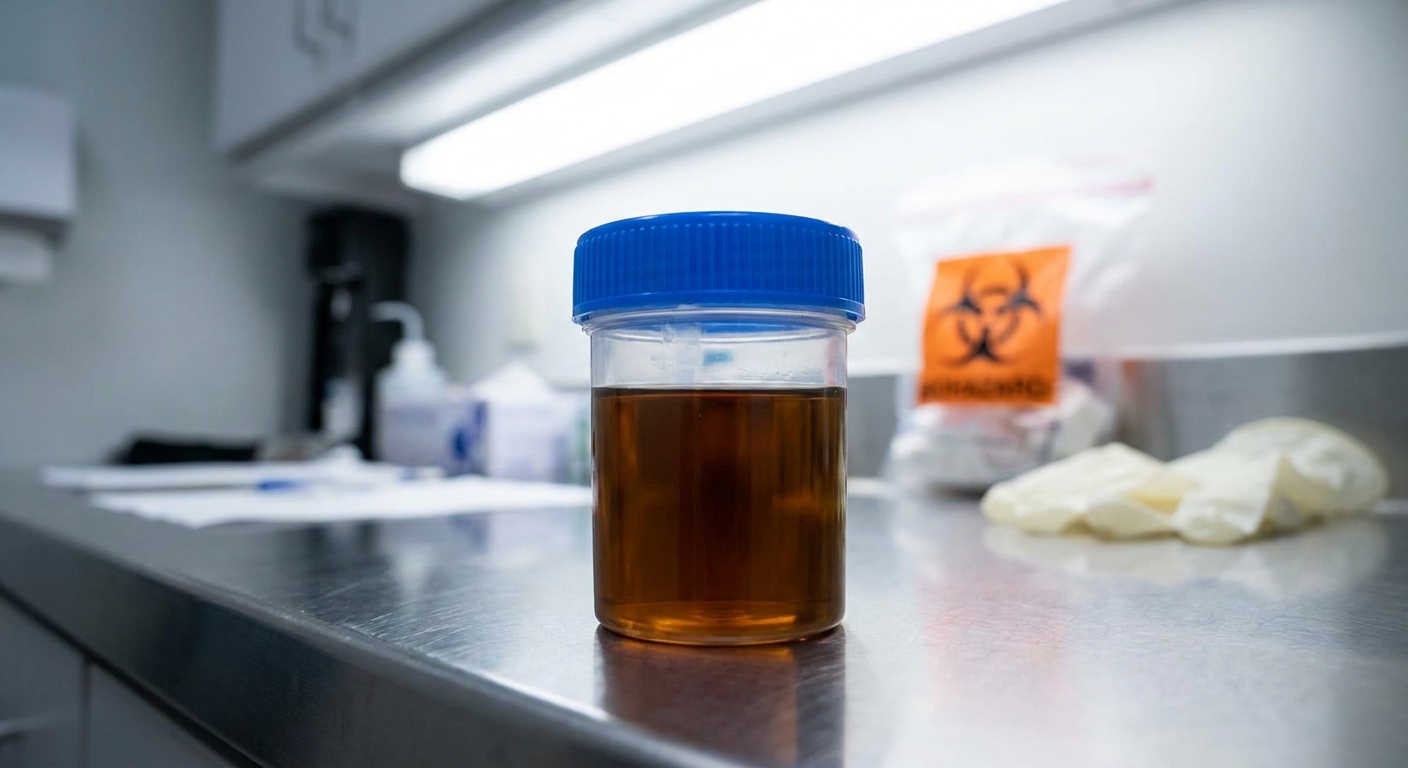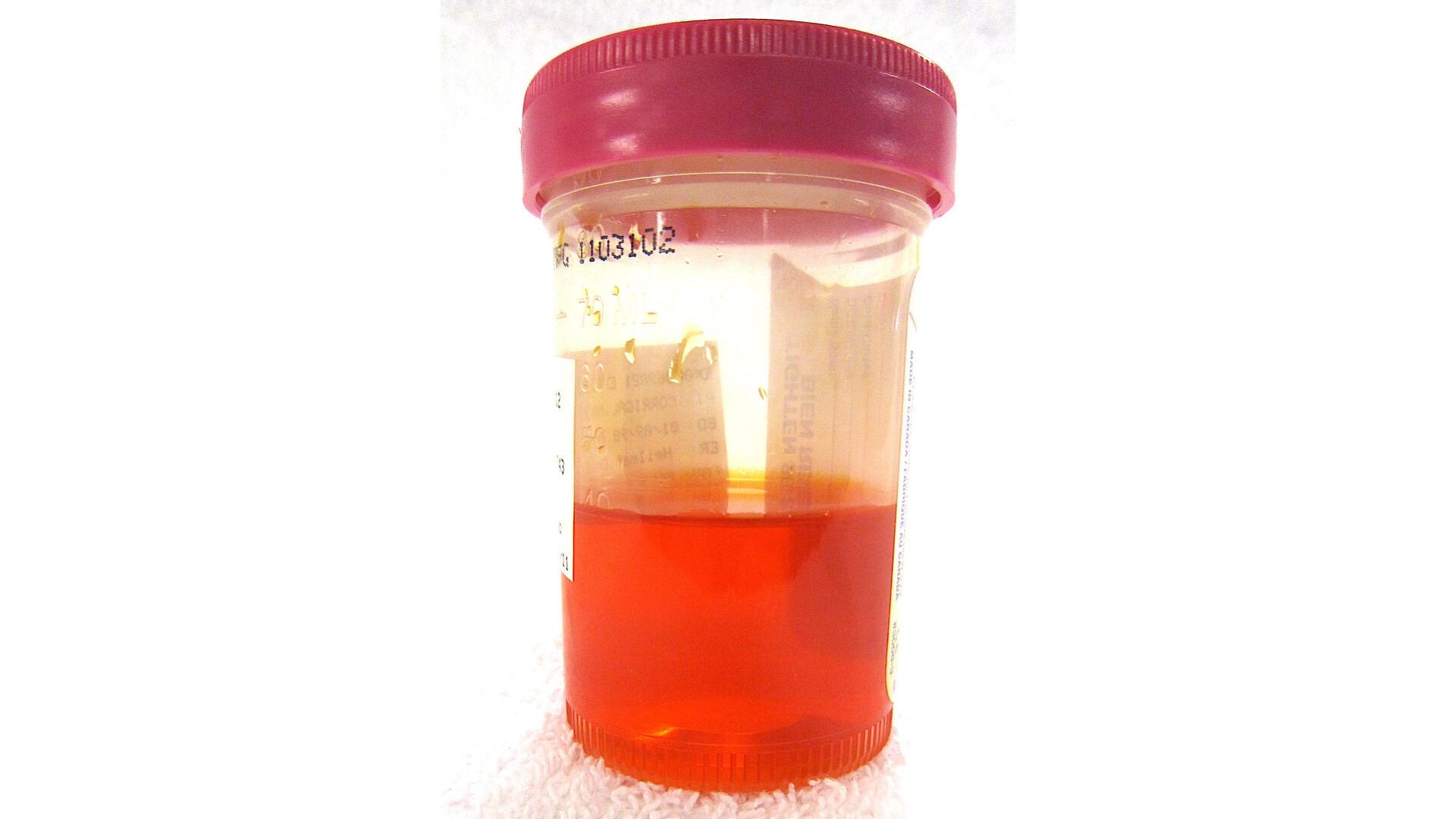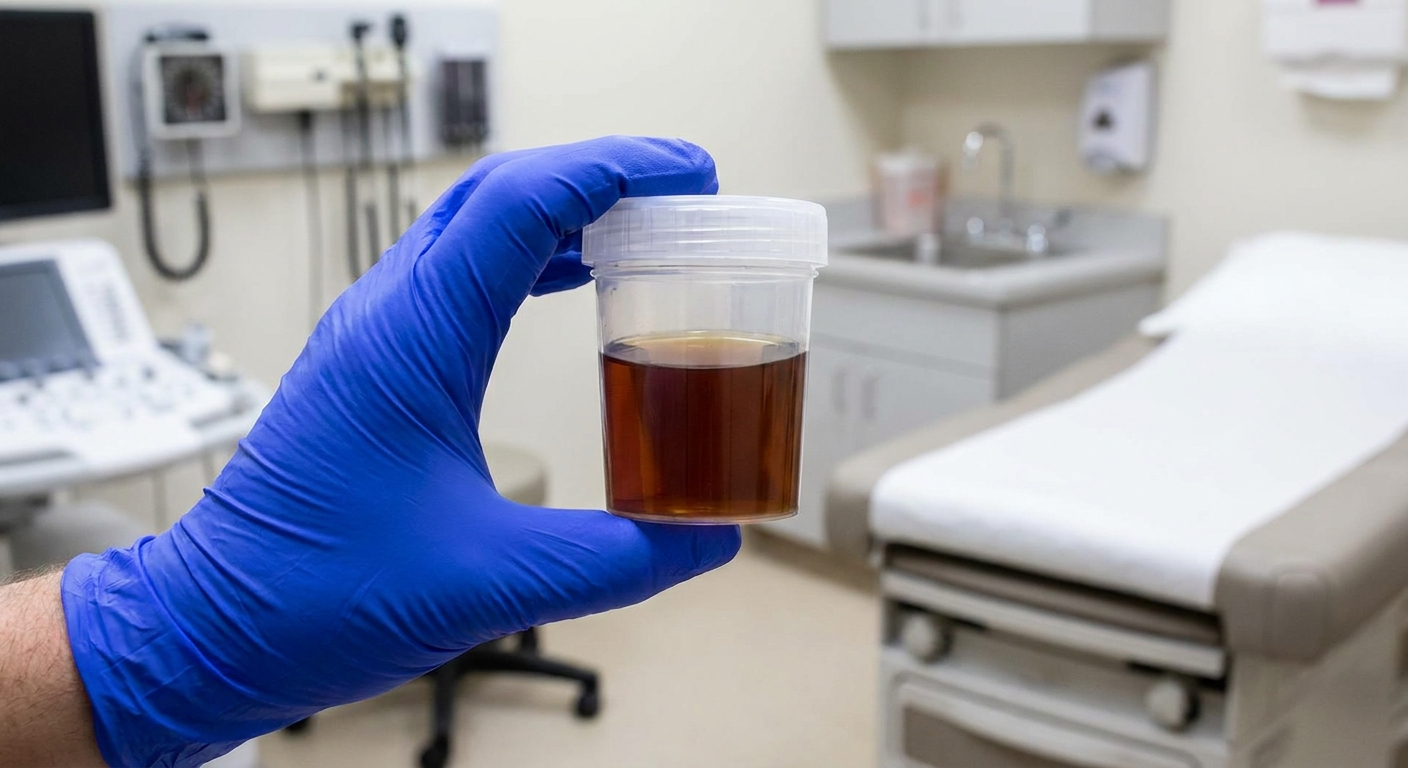
Seeing orange urine in the toilet can be startling, especially if you are expecting urine to be pale yellow. In clinic, I remind patients that urine color is like a “concentration meter” plus a “what-did-I-eat or take” clue. Many causes are harmless and fixable, but a few need prompt attention, particularly if orange urine shows up with yellowing skin or eyes, pale stools, or right upper abdominal pain.
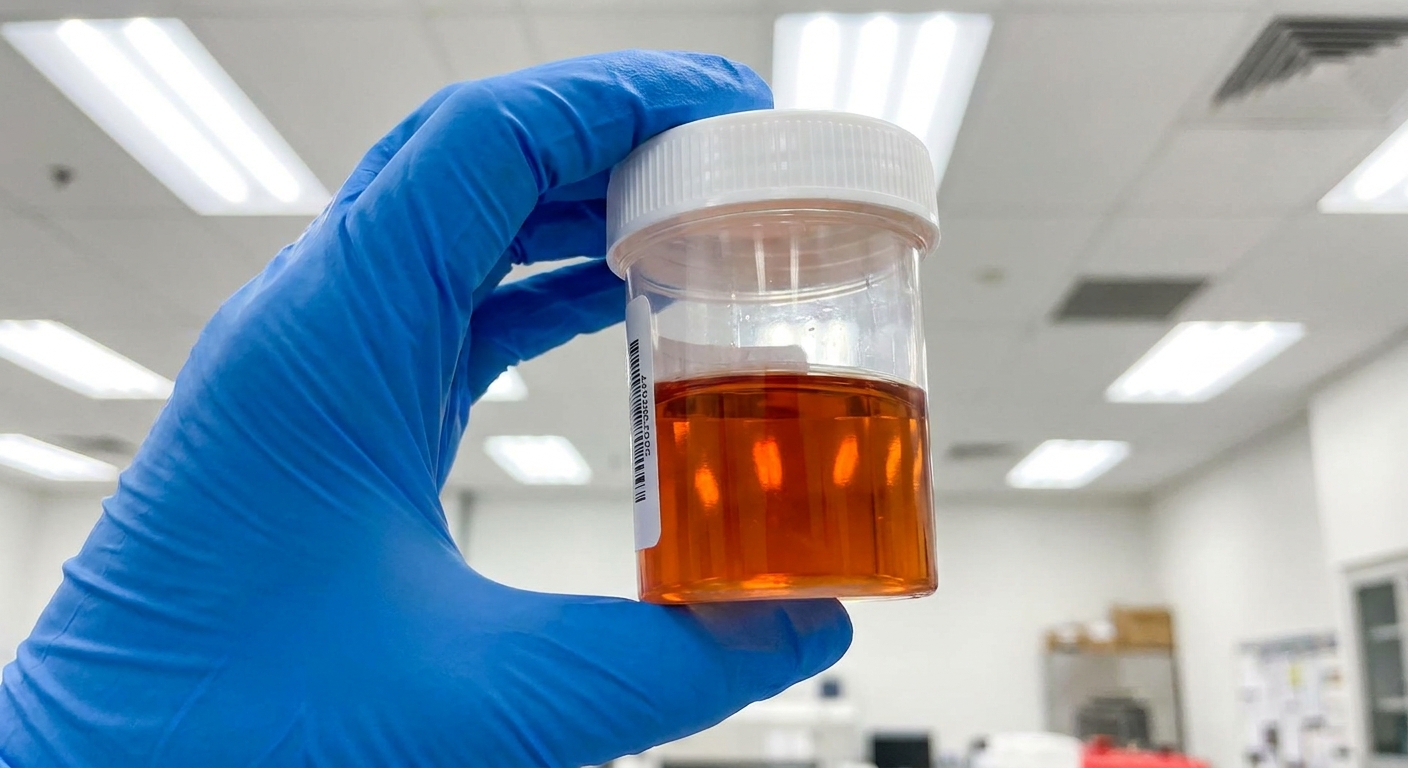
Below are the most common reasons urine turns orange, how to tell orange pigment from true blood in the urine, and the red flags that should move you to same-day care.
What “normal” urine color looks like
Urine normally ranges from very pale straw to deeper yellow. The main pigment is called urochrome, and it becomes more concentrated when you are not taking in enough fluid or when your body is losing extra water.
Orange urine usually happens for one of two reasons:
- Concentrated urine (not enough water relative to what your kidneys are excreting).
- Added pigments from medications, supplements, foods, or bile-related issues.
Most common cause: dehydration
Dehydration is the number one reason I see orange or dark yellow urine. When you are short on fluids, your kidneys conserve water and your urine becomes more concentrated, shifting from yellow toward amber or orange.
Clues it is dehydration
- Thirst, dry mouth, headache, or fatigue
- Dizziness when standing
- Less frequent urination or smaller volumes
- Urine that becomes lighter after a few hours of steady hydration
What to do
For most adults, gentle rehydration works well. Sip water regularly. If you have been sweating heavily, vomiting, or having diarrhea, consider an oral rehydration solution or an electrolyte drink (especially if you are cramping or lightheaded). If you have heart failure, kidney disease, or are on fluid restrictions, check with your clinician before increasing fluids significantly.

Medications that can turn urine orange
Several medications can strongly change urine color. This is usually harmless, but it can be surprising and can stain contact lenses or fabrics in some cases.
Phenazopyridine (Azo, Pyridium)
Phenazopyridine is a urinary tract pain reliever used for burning and urgency. It commonly turns urine bright orange to reddish-orange. That color change is expected.
- Important: Phenazopyridine treats discomfort, not the infection itself. If you may have a UTI, you still need evaluation for antibiotics.
- Use note: Unless your clinician tells you otherwise, it is typically used short term (often up to 2 days) while you are getting evaluated and treated.
- Call for care if you have fever, flank pain, nausea, or symptoms lasting more than a day or two.
Rifampin and rifabutin
These antibiotics (often used for tuberculosis and some other infections) can turn urine orange. They can also discolor tears, saliva, and sweat.
Other substances that can shift urine toward orange
- Sulfasalazine (used in inflammatory bowel disease and some arthritis conditions)
- Some laxatives (especially those containing senna, which may darken urine in some people)
- High-dose vitamins, especially riboflavin (vitamin B2), can make urine bright yellow that may look orange in certain lighting or when concentrated
- Less common medications, including some chemotherapy agents and certain older antipsychotic or anti-nausea medications, can also alter urine color
If a new medication coincides with the color change and you otherwise feel well, it is reasonable to check the medication information sheet and message your pharmacist or prescribing clinician for confirmation.
Bile pigments and liver or bile-duct problems
Orange urine can also happen when bilirubin (a bile pigment) spills into the urine. This tends to create a darker orange, tea-colored, or brownish-orange urine and often comes with other symptoms.
Clues bilirubin is the culprit
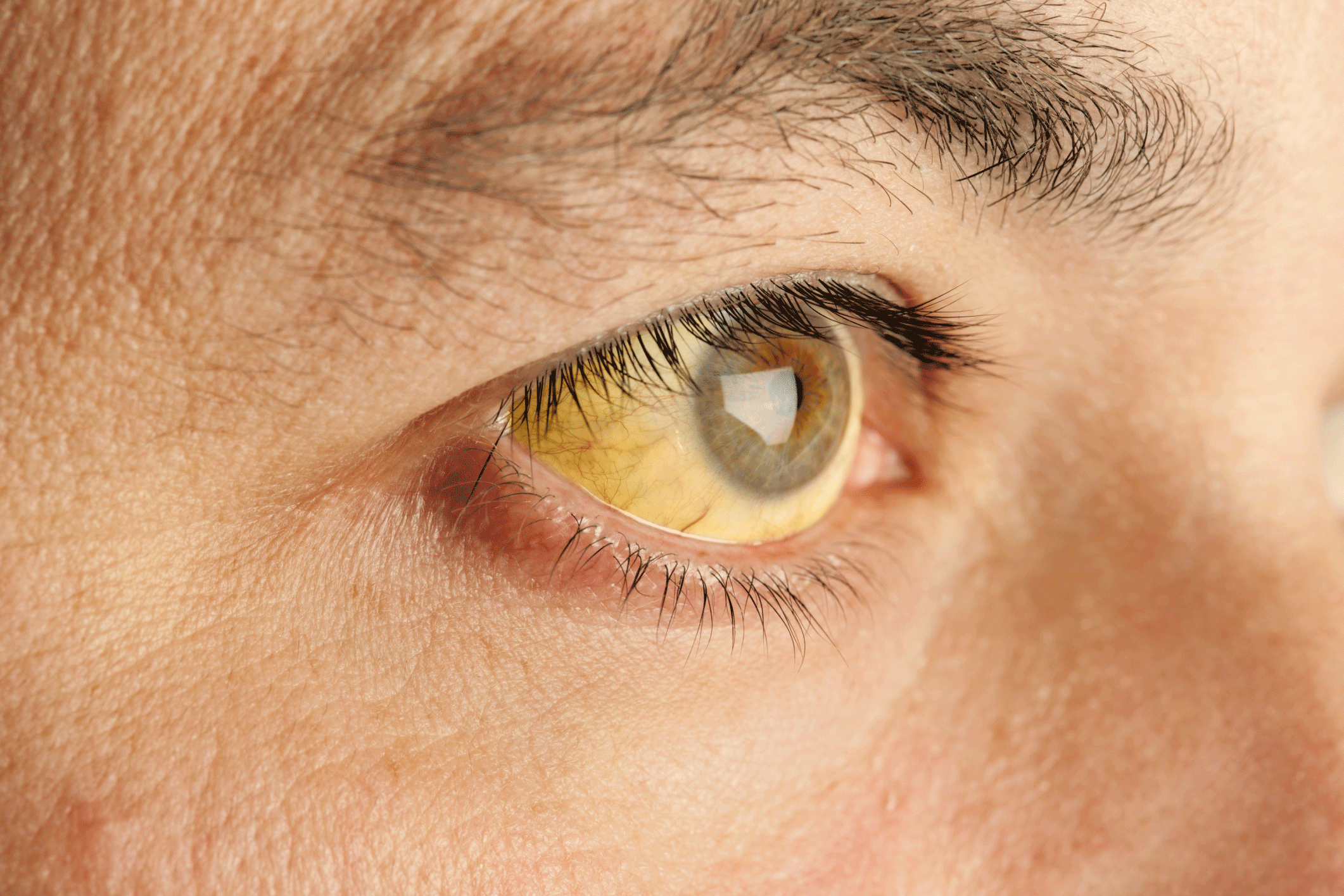
- Yellowing of the skin or whites of the eyes (jaundice)
- Pale, clay-colored stools (a key warning sign)
- Itchy skin without a clear rash
- Dark urine that does not improve with hydration
- Right upper abdominal pain, nausea, poor appetite
These symptoms can occur with hepatitis (inflammation of the liver), gallstones blocking bile flow, medication-related liver injury, or other liver and bile-duct conditions. This is not a “wait and see” situation.
Same-day care: If you have orange or dark urine plus jaundice or pale stools, seek same-day evaluation (urgent care or emergency care depending on severity). If you also have severe abdominal pain, confusion, fainting, or uncontrolled vomiting, go to the emergency department.
Foods and dyes that can look orange
Certain foods and food colorings can tint urine, especially if you are slightly dehydrated at the same time. Carrots, carrot juice, and foods with strong orange dyes are common suspects. Typically, this resolves within a day as your body clears the pigment.
If you suspect food dyes:
- Hydrate and observe for 24 hours.
- Take note of any new supplements or energy drinks, which often contain high-dose B vitamins and dyes.
Orange urine vs blood in urine
Many people assume any warm-toned urine means blood. True hematuria is blood in urine, and it deserves medical attention, but orange urine is often pigment-based rather than blood-based.
One important distinction: brown or cola-colored urine can come from several different problems, including bilirubin, blood, or muscle breakdown pigments. If your urine looks brown or cola-colored and it is not clearly explained by a medication, get evaluated promptly.
What a urine dipstick can and cannot tell you
A standard urinalysis dipstick checks for “blood” by detecting heme (from red blood cells, hemoglobin, or myoglobin). That means:
- Orange color with a negative dipstick for blood is more consistent with pigment (dehydration, medications, vitamins, dyes, bilirubin).
- Red, pink, or brown urine with a positive dipstick could be true hematuria, or could be hemoglobin or myoglobin (for example, after significant muscle injury). A microscope exam helps clarify whether red blood cells are present.
One practical tip: if you are menstruating or have vaginal bleeding, urine can look red even if the urinary tract is not bleeding. A clean-catch sample (or a catheter sample in some settings) helps clarify.
Also keep in mind that if you take blood thinners (for example, warfarin or similar anticoagulants), you may be more likely to notice visible blood in urine from another underlying cause. Do not write it off as “just the medication.” Get checked.
Kidney stones are another common reason for blood in urine (often pink, red, or tea-colored), sometimes with severe one-sided back or belly pain. That is not typically an “orange pigment” issue, but it is a reason to seek care.
When orange urine needs care
Orange urine is often benign, but these situations deserve prompt evaluation.
Seek same-day care
- Orange or dark urine plus jaundice (yellow skin or eyes)
- Orange or dark urine plus pale or clay-colored stools
- Orange or dark urine with right upper abdominal pain, significant nausea, or fever
- Inability to keep fluids down, signs of significant dehydration (very dizzy, fainting, very low urine output)
Seek urgent evaluation (within 24 to 48 hours)
- Possible UTI symptoms (burning, urgency, frequency) especially with fever, flank pain, pregnancy, diabetes, kidney disease, or symptoms lasting more than a day
- Orange urine that persists more than 24 to 48 hours despite good hydration, when there is no clear food or medication explanation
- New orange urine after starting a medication when you are unsure if it is expected
Go to the emergency department now
- Severe abdominal pain, confusion, severe weakness, chest pain, or shortness of breath
- Dark urine plus severe muscle pain and swelling after intense exertion, heat illness, a crush injury, or prolonged immobility (possible rhabdomyolysis)
- Signs of severe dehydration such as fainting, confusion, or not urinating for many hours
What you can do at home
If you feel well and do not have red flags, a simple, structured approach usually helps you figure this out quickly.
- Hydrate steadily for the next few hours. (Think frequent sips, not chugging.)
- Check your meds and supplements from the last 48 hours. Look for phenazopyridine, rifampin, high-dose B vitamins, and any new products.
- Look for accompanying symptoms: burning with urination, fever, abdominal pain, nausea, itching, yellow eyes, pale stools.
- Observe the trend. Dehydration-related orange typically lightens with fluids. Medication-related color often continues while you take it.
- If you are unsure, get a urinalysis. A quick dipstick and, when needed, microscopy can clarify whether blood is present and look for signs of infection.
FAQ
Can a UTI make urine orange?
A UTI more commonly causes cloudy urine, a strong odor, and sometimes blood (pink or red) rather than orange. That said, dehydration from feeling unwell can make urine darker, and phenazopyridine, often taken for UTI discomfort, can turn urine bright orange.
Why is my urine orange in the morning?
Overnight, you typically do not drink water for hours, so your first morning urine is more concentrated and can look dark yellow or orange. It should lighten after you drink fluids.
Can orange urine come from kidney problems?
Kidney issues can change urine appearance, but orange specifically is more often dehydration, medications, or bilirubin. If you have swelling in your legs or face, high blood pressure, foaminess that persists, or decreased urination, get evaluated.
Is orange urine ever normal during pregnancy?
Pregnancy increases your fluid needs, and mild dehydration is common, especially with nausea and vomiting. However, pregnancy also changes how we approach urinary symptoms. If you are pregnant and your urine is orange, very dark, you have burning, fever, back pain, or you cannot keep fluids down, call your obstetric team promptly.
The bottom line
Orange urine is most often caused by dehydration or pigment from medications and supplements, especially phenazopyridine and rifampin. The key safety check is whether the color improves with hydration and whether you have warning signs like jaundice or pale stools. If those symptoms are present, or if you are feeling ill, do not try to self-diagnose. Get same-day medical care.