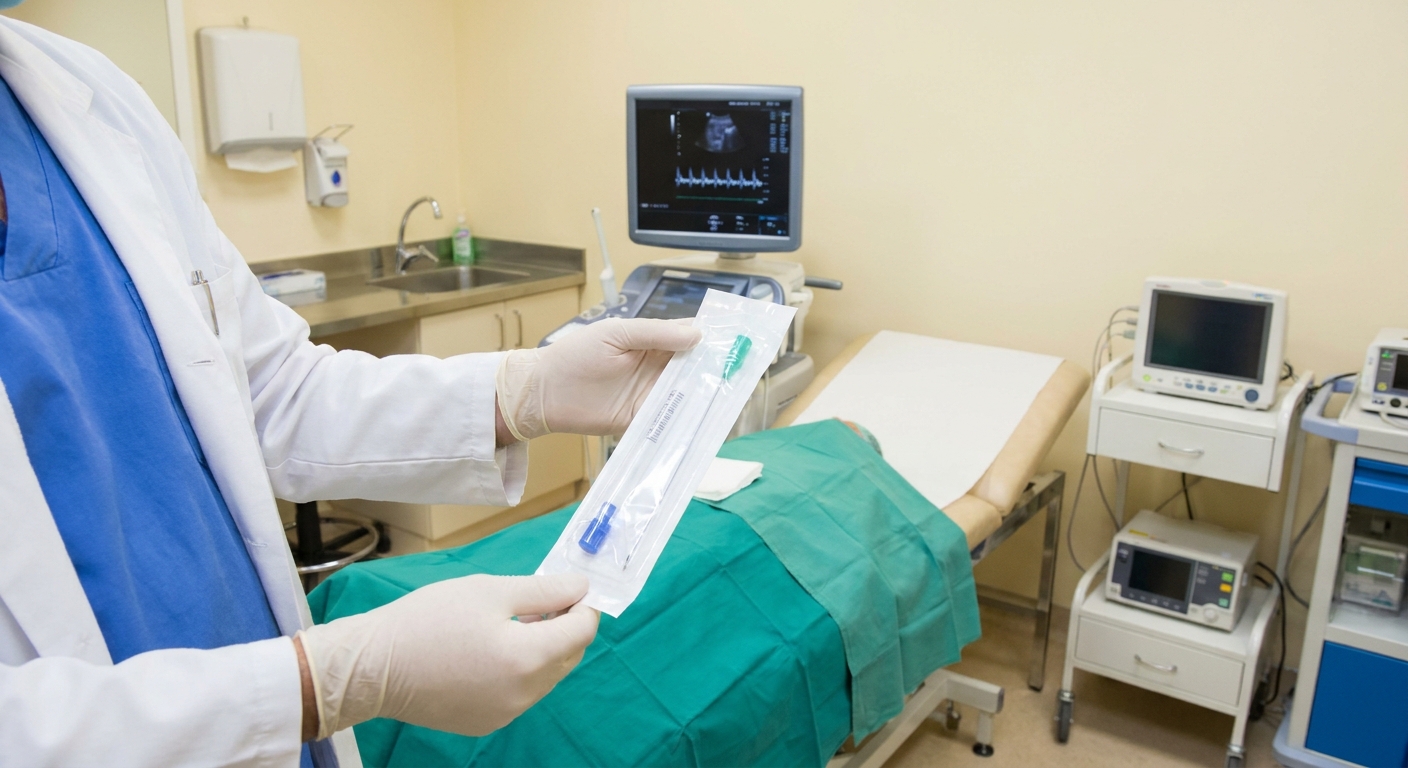
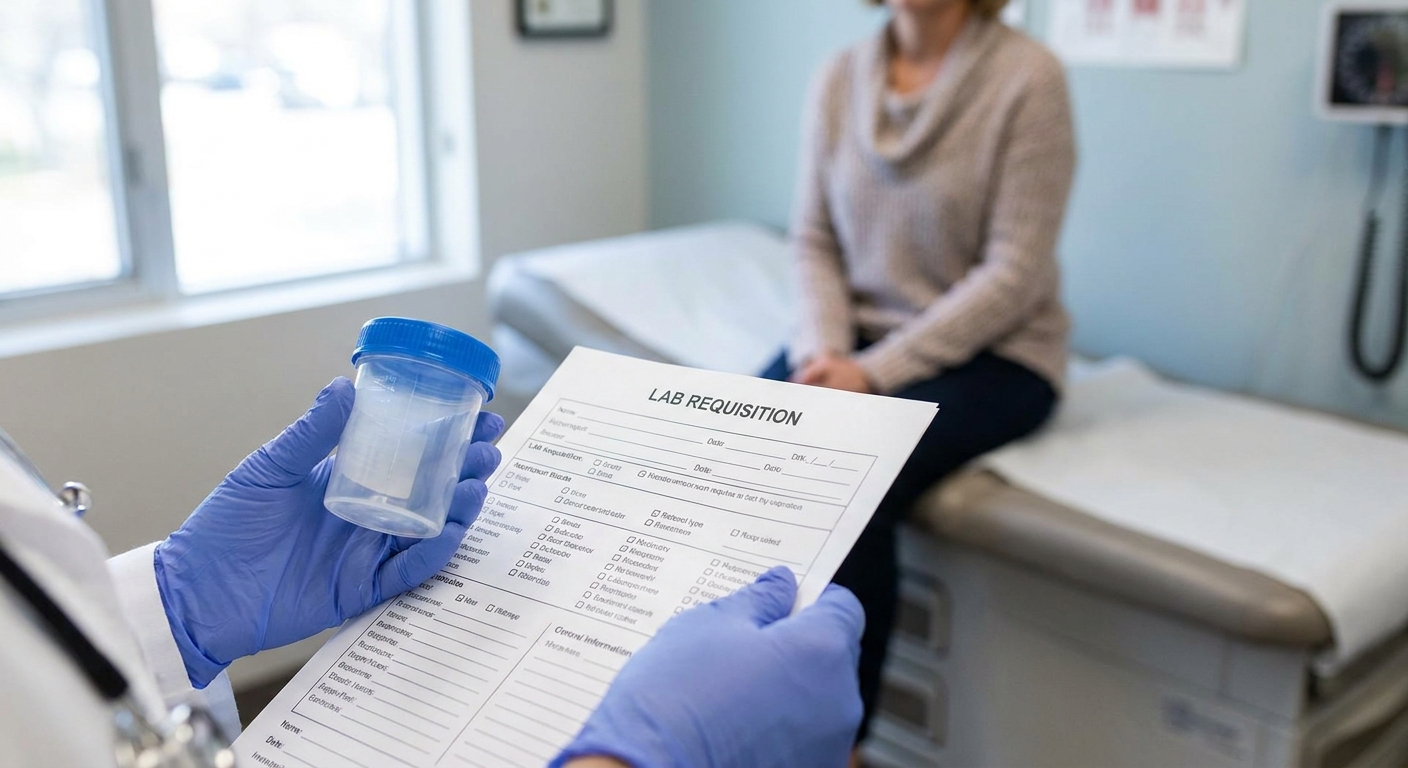
Membranous nephropathy is a kidney condition where the body’s immune system mistakenly targets the kidney’s tiny filters. Over time, this immune attack thickens parts of the filter, making it “leaky.” The classic result is heavy protein loss in the urine (proteinuria), which can lead to swelling in the legs, ankles, or around the eyes.
As a family nurse practitioner, I have found that this diagnosis can feel confusing because many people feel generally okay at first. The first clues often show up on a urine test, not in how you feel day to day. The good news is that there are clear ways to confirm the diagnosis, track it, and treat it.
What happens in the kidneys
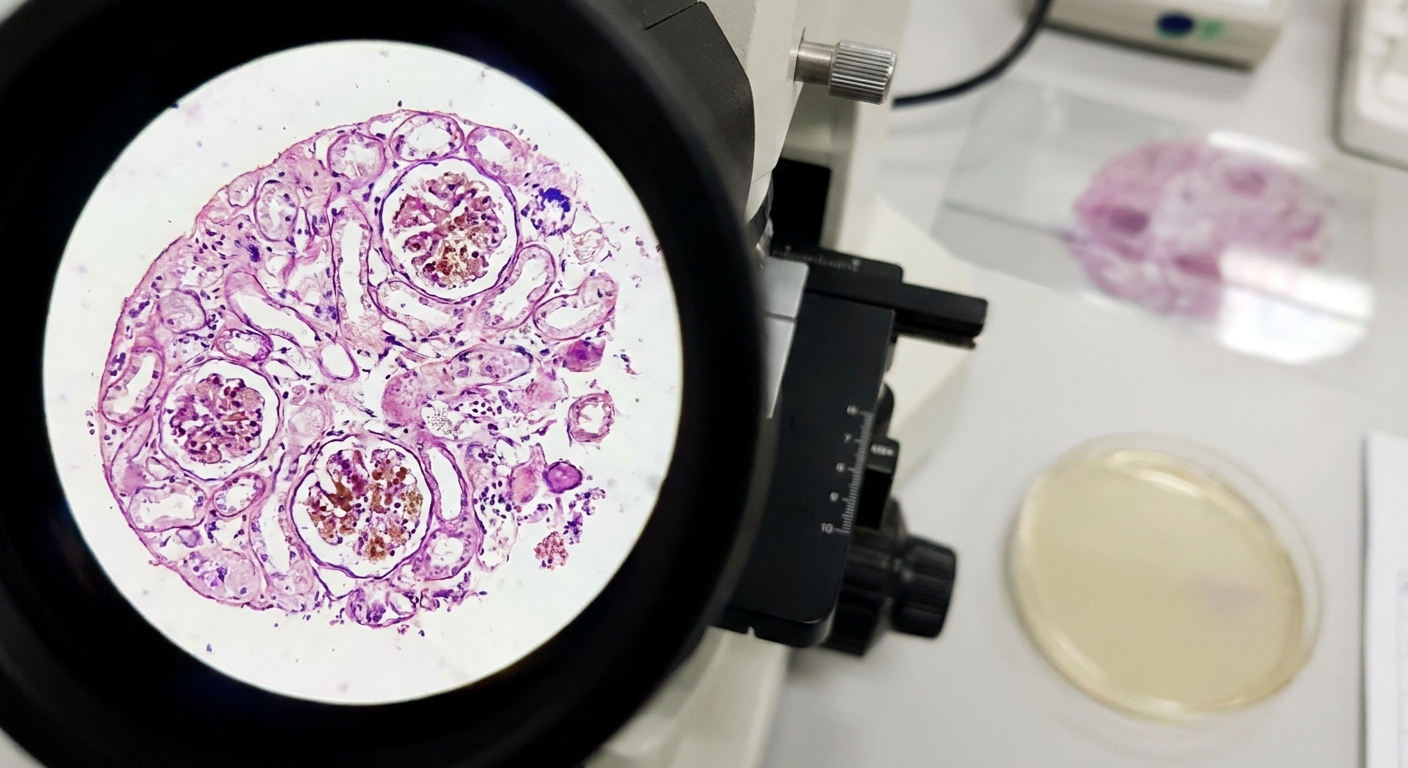
Your kidneys contain millions of microscopic filtering units called glomeruli. Think of each glomerulus like a very fine coffee filter. It is designed to keep important proteins in your bloodstream while allowing waste and extra fluid to pass into urine.
In membranous nephropathy, immune proteins (antibodies) and immune complexes deposit along the glomerular “basement membrane,” a key part of the filter. This can activate complement and injure the podocytes (specialized cells that help maintain the filter), leading to structural change and a thicker, damaged filter that allows protein to escape.
Why protein in the urine matters
Protein is not supposed to spill into the urine in large amounts. When it does, it can cause a cascade of issues that many people recognize as the nephrotic syndrome pattern:
- Swelling (edema), often in the feet and lower legs, sometimes around the eyes
- Foamy urine from high protein content
- Low blood albumin (hypoalbuminemia), because albumin is lost in the urine
- High cholesterol (the liver ramps up lipid production in response)
- Higher risk of blood clots, especially with severe protein loss
Symptoms and early signs
Some people have few symptoms at first. Others notice swelling that creeps up slowly. Common signs include:
- Foamy or bubbly urine
- Swelling in ankles, feet, legs, hands, or eyelids
- Rapid weight gain from fluid retention
- Fatigue
- Shortness of breath if fluid builds up significantly
Blood in the urine is not the hallmark feature of membranous nephropathy, but microscopic blood can occur and may be found on urinalysis.

Primary vs secondary membranous nephropathy
Membranous nephropathy is often divided into:
- Primary (autoimmune) membranous nephropathy: the immune system targets specific proteins in the kidney filter. This is the most common form in adults.
- Secondary membranous nephropathy: the membranous pattern is triggered by another condition or exposure.
Common causes of secondary membranous nephropathy
Your clinician may look for an underlying trigger, especially if antibody testing is negative or your history suggests a secondary cause. Potential triggers can include:
- Autoimmune diseases (such as lupus)
- Infections (for example hepatitis B, hepatitis C, syphilis depending on risk factors and local prevalence)
- Medications (certain drugs have been associated, including NSAIDs in some cases, and your care team will review your full list)
- Malignancy (certain cancers can be associated, particularly in older adults or when other red flags are present)
Not everyone needs extensive testing. The workup is usually tailored to your age, symptoms, medical history, and risk factors.
How membranous nephropathy is diagnosed
Diagnosis typically starts with basic lab work and then narrows in with specialized testing. Most people are evaluated by a nephrologist (kidney specialist).
Urine and blood tests
- Urinalysis and urine protein measurement to confirm protein loss
- Protein-to-creatinine ratio (spot urine) or a 24-hour urine collection to quantify protein
- Blood creatinine and eGFR to assess kidney function
- Serum albumin and cholesterol levels to evaluate nephrotic syndrome effects
PLA2R antibody testing
A major advance in recent years is blood testing for antibodies to the phospholipase A2 receptor (PLA2R). Many cases of primary membranous nephropathy are associated with anti-PLA2R antibodies.
In practical terms, this test can help in several ways:
- Supports the diagnosis of primary membranous nephropathy when positive
- Helps estimate disease activity, because antibody levels often track with immune activity
- Guides monitoring during follow-up, especially when treatment is aimed at immunosuppressive therapy
A negative PLA2R test does not rule out membranous nephropathy. Some people have other target antigens, such as THSD7A, and some have secondary causes. Your clinician may order additional antibody testing depending on your case.
Kidney biopsy
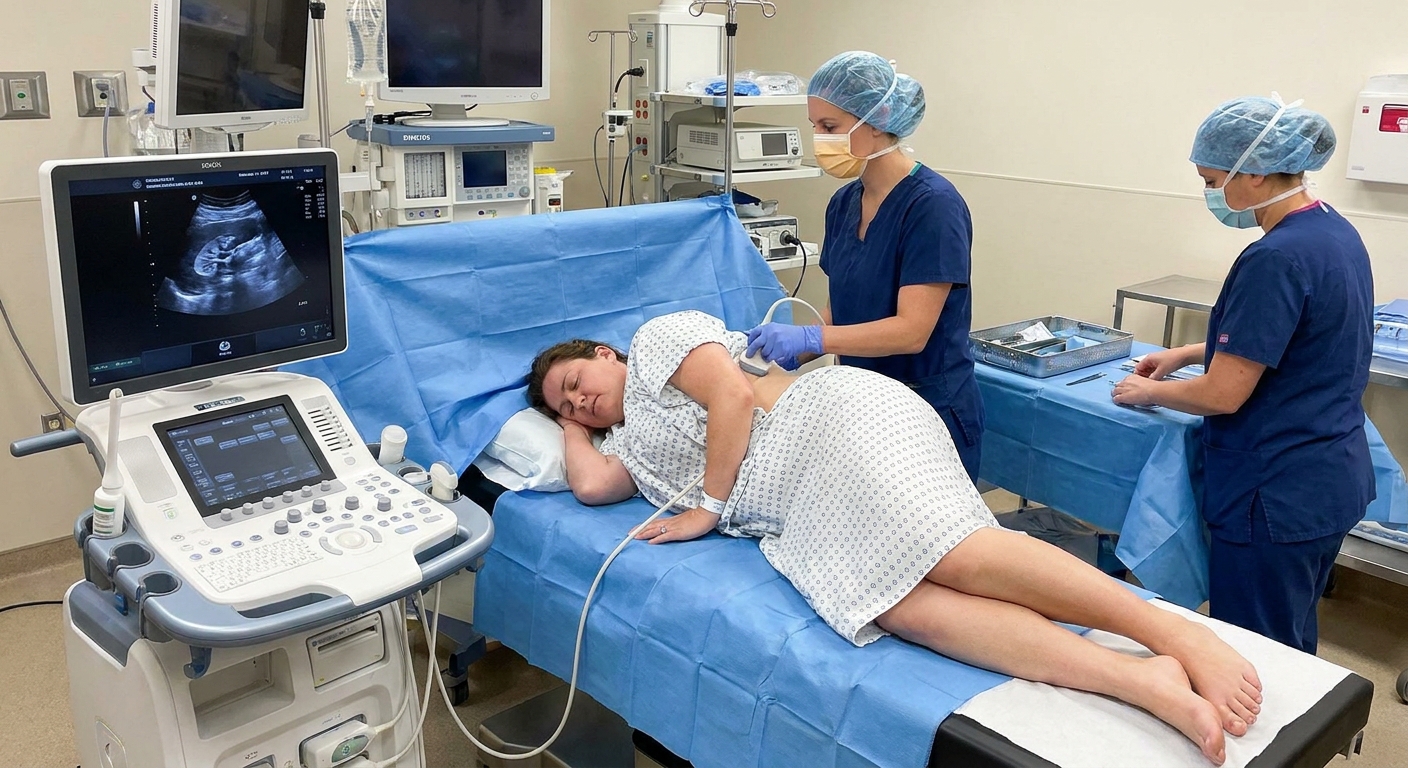
A kidney biopsy is often the most definitive way to confirm membranous nephropathy and to understand how active or advanced it is.
During a biopsy, a specialist uses imaging guidance to take tiny samples of kidney tissue. A pathologist examines the tissue with multiple techniques to look for the characteristic membranous pattern and immune deposits.
Biopsy information can be critical for:
- Confirming the diagnosis when the picture is unclear
- Evaluating for secondary causes (certain patterns can raise suspicion)
- Assessing scarring or chronic damage that may affect treatment decisions
Treatment: what it focuses on
Treatment depends on how much protein you are losing, how your kidney function looks, your antibody levels, and how you are doing over time. Some people improve with supportive care alone, while others need medications that calm the immune system.
Supportive care (often the foundation)
- Blood pressure control, often with ACE inhibitors or ARBs, which can reduce protein loss and protect kidney function
- Salt reduction to help with swelling and blood pressure
- Diuretics (water pills) when swelling is significant
- Cholesterol management when levels are high
- Vaccination and infection prevention planning, especially if immunosuppressive therapy is being considered
When immunosuppressive therapy is considered
If proteinuria is heavy and persistent, kidney function is worsening, or antibody levels suggest active autoimmune disease, nephrologists may recommend therapy to reduce immune attack on the filters. The specific regimen varies and is individualized. The goal is to achieve remission, meaning protein in the urine falls substantially and blood albumin recovers.
Common medication approaches you may hear about include:
- Rituximab
- Calcineurin inhibitors (for example tacrolimus or cyclosporine)
- Cyclophosphamide plus steroids in selected higher-risk cases
Because these medications can increase infection risk and have other side effects, decisions are typically based on a careful risk-benefit discussion and close monitoring.
Blood clot risk and safety planning
Severe nephrotic syndrome raises clot risk. Your clinician may assess your personal risk factors, how low your albumin is, and your bleeding risk to decide whether preventive anticoagulation is appropriate. This is not a one size fits all decision.
Other complications to keep in mind
In clinic, I also counsel patients about a few practical risks that can sneak up:
- Infections, from urinary protein losses and, if used, immunosuppressive therapy
- Acute kidney injury, sometimes related to dehydration, aggressive diuresis, NSAIDs, or intercurrent illness
- Cardiovascular risk, influenced by high cholesterol, fluid shifts, and blood pressure
Follow-up monitoring
Membranous nephropathy is a condition where trends over time matter as much as a single test result. Follow-up is usually structured and intentionally repetitive. It is how your care team can tell whether you are stabilizing, improving, or heading toward complications.
Monitoring often includes
- Urine protein measurements (spot protein-to-creatinine ratio or 24-hour urine)
- Kidney function tests (creatinine and eGFR)
- Serum albumin and sometimes cholesterol
- Blood pressure checks and medication adjustments
- Anti-PLA2R antibody levels when relevant, to help assess immune activity and response to therapy
What “remission” can mean
In clinic, you may hear terms like:
- Complete remission: proteinuria returns to near-normal range and albumin normalizes
- Partial remission: proteinuria drops substantially from baseline and overall risk decreases, even if it is not fully normal
Both are meaningful. Partial remission can still translate into much better long-term kidney outcomes.
Why follow-up matters even when you feel fine
Protein loss and falling albumin can happen quietly. Regular labs help catch issues early, like rising creatinine, persistent heavy proteinuria, medication side effects, or complications such as clots.
Living with membranous nephropathy
Beyond prescriptions, day-to-day habits can make a real difference in how you feel and how well your kidneys are protected.
Practical steps that usually help
- Take blood pressure medications consistently, if prescribed. Missing doses can worsen blood pressure control and proteinuria.
- Limit sodium. Even a few high-salt meals can worsen swelling.
- Track daily weights if you struggle with fluid retention. A sudden jump can be an early warning sign.
- Bring a medication list to every appointment, including supplements and over-the-counter pain relievers.
- Be cautious with NSAIDs (like ibuprofen or naproxen) unless your clinician says they are safe for you. These can affect kidney blood flow and fluid balance.
Ask about pregnancy planning, travel, and vaccines
If you are of childbearing age, planning a pregnancy, traveling internationally, or considering new vaccines, bring it up early. Nephrotic syndrome and immunosuppressive medications can change the safest plan.

When to seek urgent care
Call your clinician promptly or seek urgent care if you have:
- New or rapidly worsening swelling, especially with shortness of breath
- Chest pain, sudden shortness of breath, coughing blood, or one leg that is swollen and painful (possible blood clot)
- Very high blood pressure readings with symptoms like headache, vision changes, or chest discomfort
- Significantly reduced urination
- Fever or signs of infection, especially if you are on immunosuppressive therapy
Frequently asked questions
Is membranous nephropathy curable?
Some people go into long-lasting remission, sometimes even without immunosuppressive therapy. Others have a relapsing course. Rather than thinking only in terms of “cure,” I encourage patients to focus on control, remission, and kidney protection over time.
Will I need a biopsy if my PLA2R test is positive?
Often a biopsy is still recommended to confirm the diagnosis and assess how much damage or scarring is present, especially if protein loss is heavy or kidney function is changing. In select situations, a nephrologist may make a diagnosis based on a strongly supportive lab picture, but this decision is individualized.
Can membranous nephropathy lead to kidney failure?
It can, particularly if proteinuria stays high for a long time or kidney function steadily declines. The encouraging part is that many people do achieve remission, and early diagnosis, supportive care, and appropriate treatment and monitoring can significantly reduce risk.
What labs should I keep an eye on?
Most people track urine protein, creatinine and eGFR, albumin, and blood pressure. If you have primary membranous nephropathy, your team may also track PLA2R antibodies to understand immune activity.
A final word from clinic
Membranous nephropathy can be scary because it often shows up unexpectedly, sometimes after a routine urine test. But you are not powerless here. With a clear diagnosis, careful follow-up, and a plan tailored to your risk level, many people do very well.
If you have been told you have protein in your urine, swelling, or suspected nephrotic syndrome, ask directly: What is my urine protein level, what is my kidney function, and have we checked for PLA2R antibodies or considered biopsy? Those three questions often move the conversation from uncertainty to an actionable plan.